Overview
Sulphur Creek Nature Center is a wildlife rehabilitation facility run by the Hayward Area Recreation and Park District (HARD), tucked into a ten-acre oak canyon in Hayward's flatlands. The animals here are native California species that can't be released — a red fox, a gray fox, coyotes, hawks, owls, ravens, snakes, turtles, and more — and you can get genuinely close to the enclosures in a way that bigger zoos don't allow. It draws around 40,000 visitors a year but almost never feels crowded, which makes it one of the most underrated free stops in the East Bay.
How to Do It
The center is at 1801 D Street, Hayward, CA 94541. From 880, take the D Street exit in Hayward and head east about a half mile — the entrance is on the right and parking is free in the lot. From BART, the Hayward station is about a mile away; it's walkable but not an easy stroll with small kids, so driving is the better call.
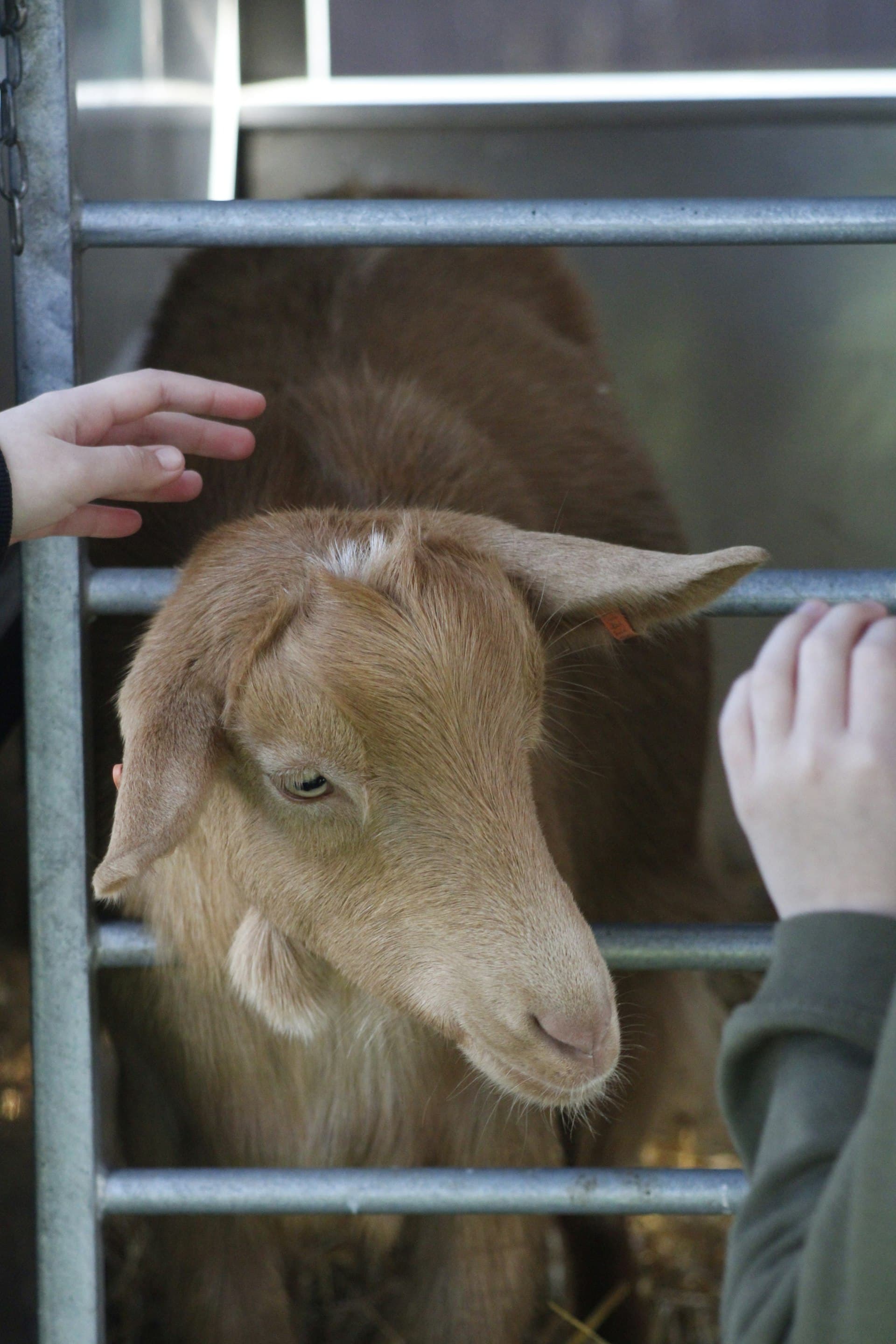
The main entrance drops you down into the canyon via stairs from the parking lot — note that the stairs make strollers impractical, so carry younger toddlers or use a carrier. Once you're down, the path through the outdoor enclosures is flat and easy. Start with the raptor flight cages along the left side (owls, hawks, and ravens first), then loop around to the mammal enclosures where the foxes and coyotes live. End inside the Discovery Center, which has snakes, turtles, and frogs in close-up terrariums, plus skull comparisons, animal nests, and a reading nook at kid height. Staff naturalists are usually around and happy to stop and explain what the animals are doing.
Tips & Tricks
The Interpretive Center building is only open Fridays, Saturdays, and Sundays from 9am to 3pm. If you show up on a Tuesday, you can still walk the outdoor enclosures, but the indoor animal room is closed — call ahead at (510) 881-6747 to confirm what's open on your planned day, since hours can vary.
The foxes are the most reliably active in the morning. By midday, especially on warmer days, most of the mammals retreat to the back of their enclosures and you'll see a lot of empty corners. Come before 11am for the best views.
There's poison oak on the hillside trail above the main loop — stick to the paved path and tell kids to stay on it. The surrounding vegetation is dense, and it's not worth the risk for an off-trail scramble.
Bring a lunch. There are picnic tables in the shade, a grassy area where kids can run, and the canyon itself is quiet and cool even in summer. The nearest food options are a few miles away, so packing your own makes this a proper half-day outing.
The center posts a monthly events calendar with interpretive programs for ages 4–12, some of which include handling live animals or special behind-the-scenes access. These are popular and fill quickly, so check the HARD website before your visit if you want something more interactive than the standard self-guided walk.
Planning
Admission is free. Parking is free. The outdoor grounds are open Tuesday through Sunday; the indoor Discovery Center is open Fridays, Saturdays, and Sundays from 9am to 3pm. Closed Mondays. No reservations needed for general visits. Bring a carrier for kids under 2 since the stairs from the parking lot make strollers difficult. Snacks and water are a good idea — there's no food on site. A jacket or light layer is worth throwing in the bag, as the canyon can be noticeably cooler than the surrounding streets. This works well year-round, though spring is particularly nice when the creek is running and the foliage is full. Good fit for ages 2 and up; toddlers respond well to the close-up enclosures and the indoor terrariums.