Overview
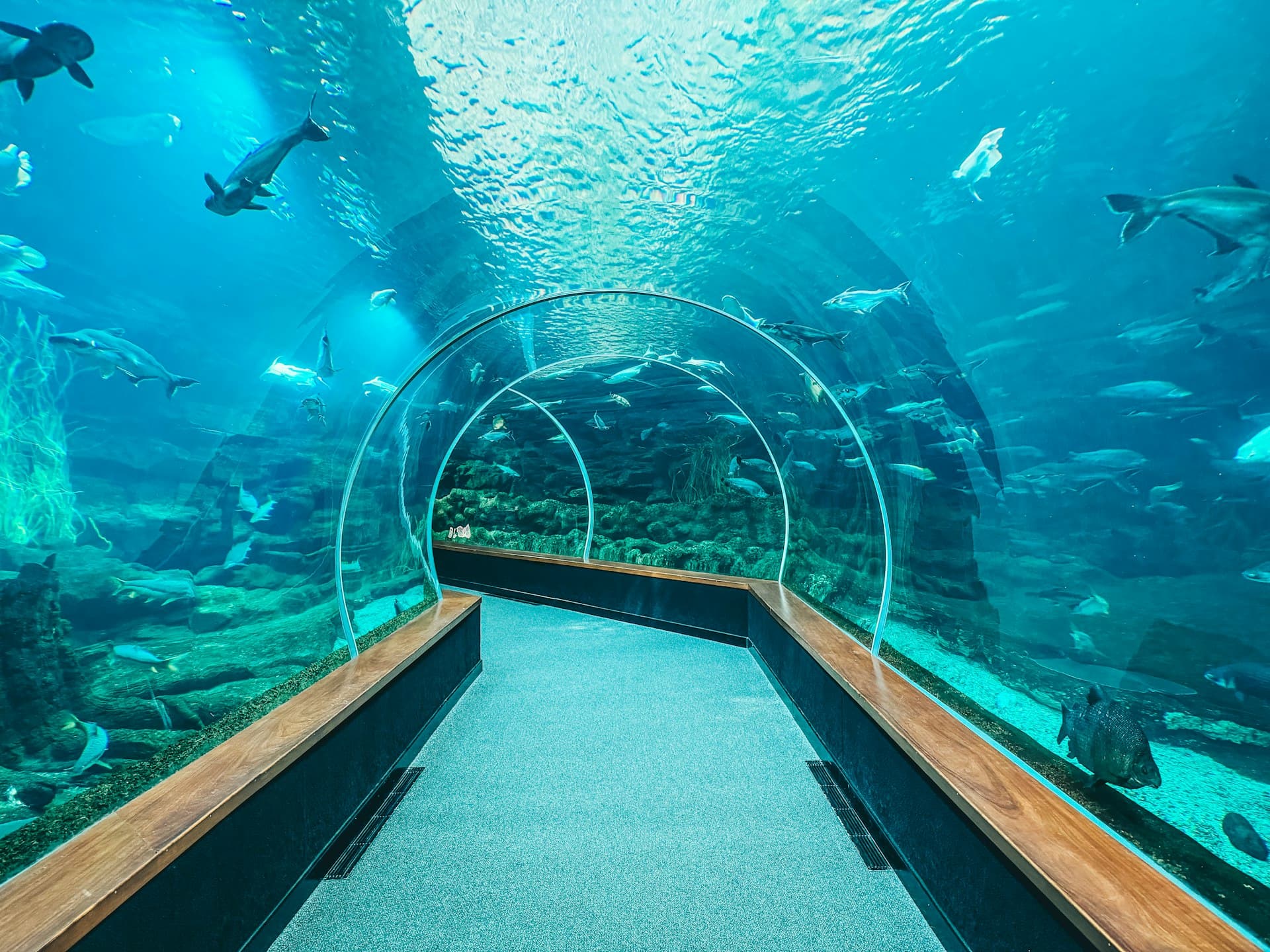
The Seymour Center is UCSC's working marine research lab opened to the public, which means the exhibits are actual science — not theme-park marine life. Outside the main building sits one of the largest blue whale skeletons on public display in the world, 87 feet of bone set against views of Monterey Bay. Inside, the touch tanks let kids handle swell sharks, sea stars, sea anemones, and hermit crabs with trained volunteer docents right there explaining what they're touching. Small, unhurried, and legitimately impressive for what it is — this is the kind of place kids remember.
How to Do It
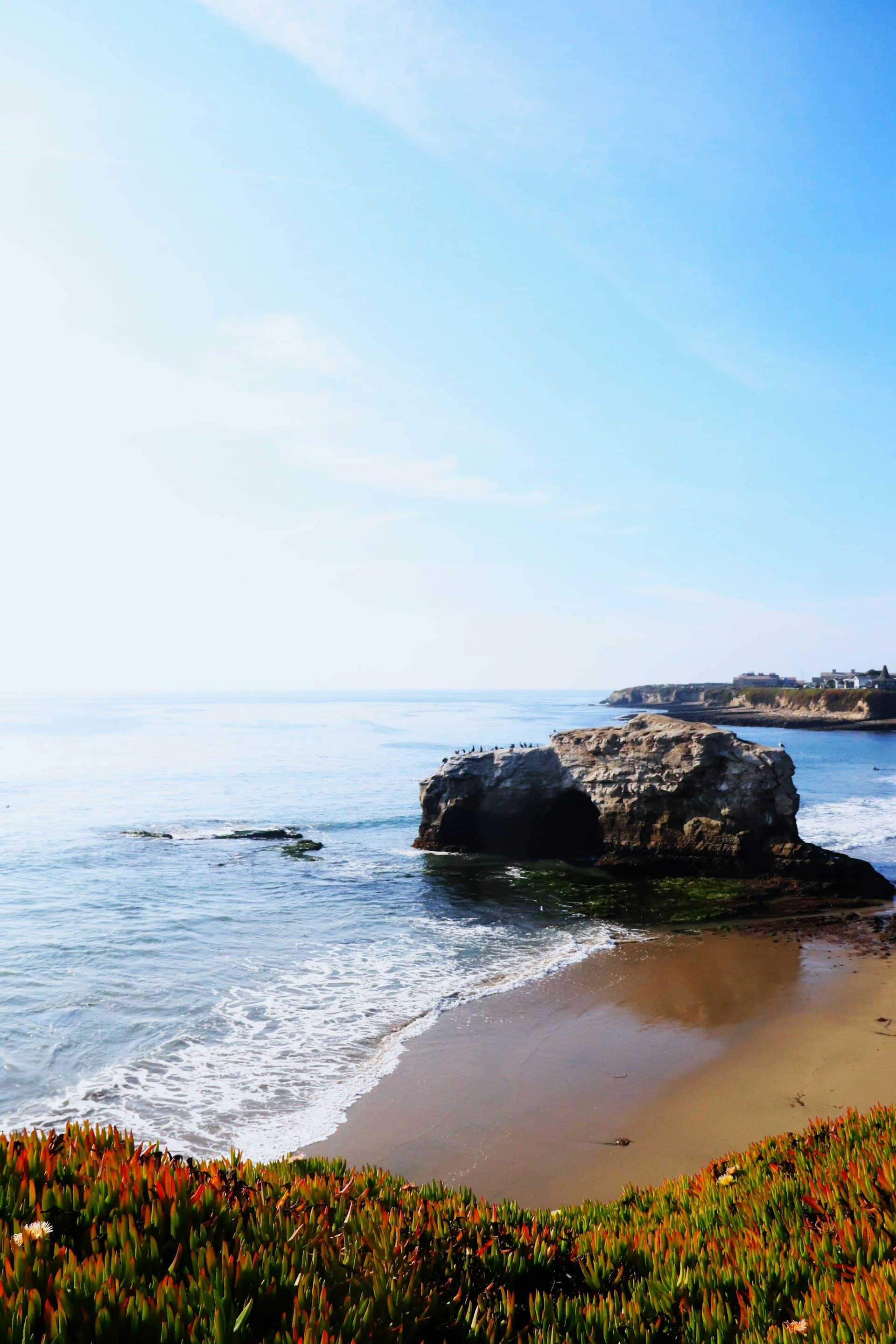
The center is at 100 McAllister Way on the UC Santa Cruz Coastal Science Campus, set on a bluff above the ocean just west of Natural Bridges State Beach. From Highway 1, take the Western Drive / Natural Bridges exit and follow signs for Long Marine Lab. Paid parking on weekdays via ParkMobile app (bring your phone); parking is free on weekends. Plan the visit as a half-day that combines the Seymour Center with the adjacent Natural Bridges State Beach, which is less than a mile east on foot or a short drive. Start at the Seymour Center when it opens at 10am before it gets busy, then walk or drive to Natural Bridges for tide pool exploration and beach time. If you want a guided tour of the center, show up right at opening — tours are included with admission, first-come first-served for groups of 9 or fewer, and they fill up by mid-morning on weekends. The tour runs about 30 minutes and takes you through exhibits and outside to the whale skeleton with coastal views.
Tips & Tricks
The tour is the move — volunteer docents are marine biology grad students and researchers who actually work in the lab, and the 30-minute walk makes the exhibits make sense in a way self-guided wandering doesn't. Get there at 10am on weekends to secure a spot. The two touch tanks are different: the first has sea stars and anemones (better for younger kids, easier to handle), and the second has a swell shark — small but real, and the highlight for most kids 5 and up. The outdoor whale skeleton is visible from the parking lot but deserves a slow walk around; the scale doesn't register from a distance. The site sits on a bluff with 180-degree Monterey Bay views, which makes it worth lingering outside regardless of what's inside. Combine with Natural Bridges to extend the day — the monarch butterfly preserve there is active October through February, and the tide pools reward a low-tide visit (check tide tables before you go). Weekday visits are quieter across the board.
Planning
Admission is $12 for adults, with discounted rates for children and seniors; kids under 3 are free. Open Tuesday through Sunday, 10am to 4pm; closed Mondays. Parking is paid on weekdays via ParkMobile and free on weekends. The center is fully ADA accessible and stroller-friendly throughout. Bring sunscreen for the outdoor sections — the bluff gets full sun and there's no shade near the whale skeleton. Water shoes and a change of clothes for kids are smart if you're heading to Natural Bridges after, especially at low tide when the tide pools are accessible. Most visits run 1 to 1.5 hours at the center; add another hour or two for the beach. Best for ages 4 and up for the touch tanks; the whale skeleton and coastal views are engaging for all ages. The center is worth visiting any month, but combining it with a monarch viewing at Natural Bridges makes October through February the standout window.