Overview
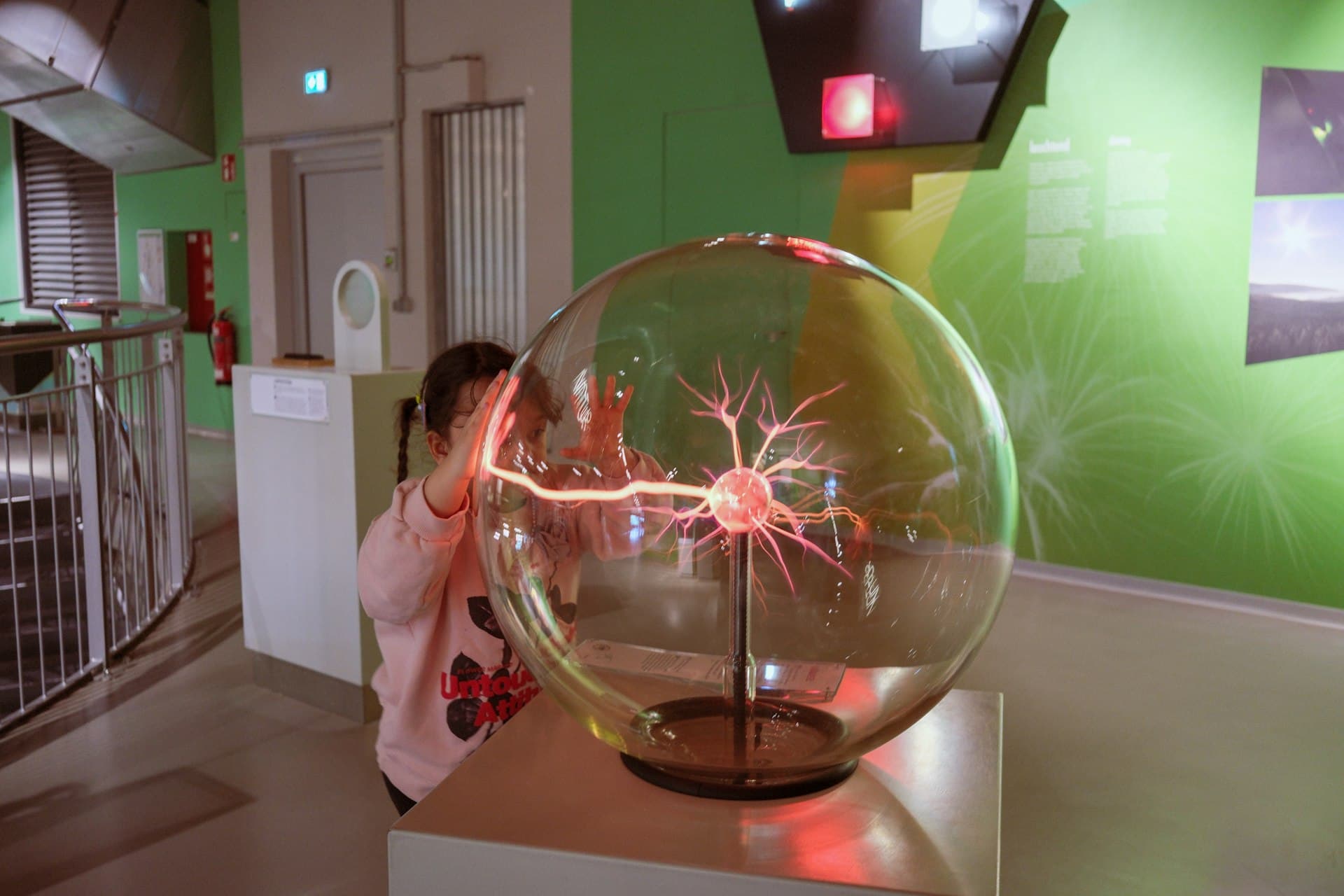
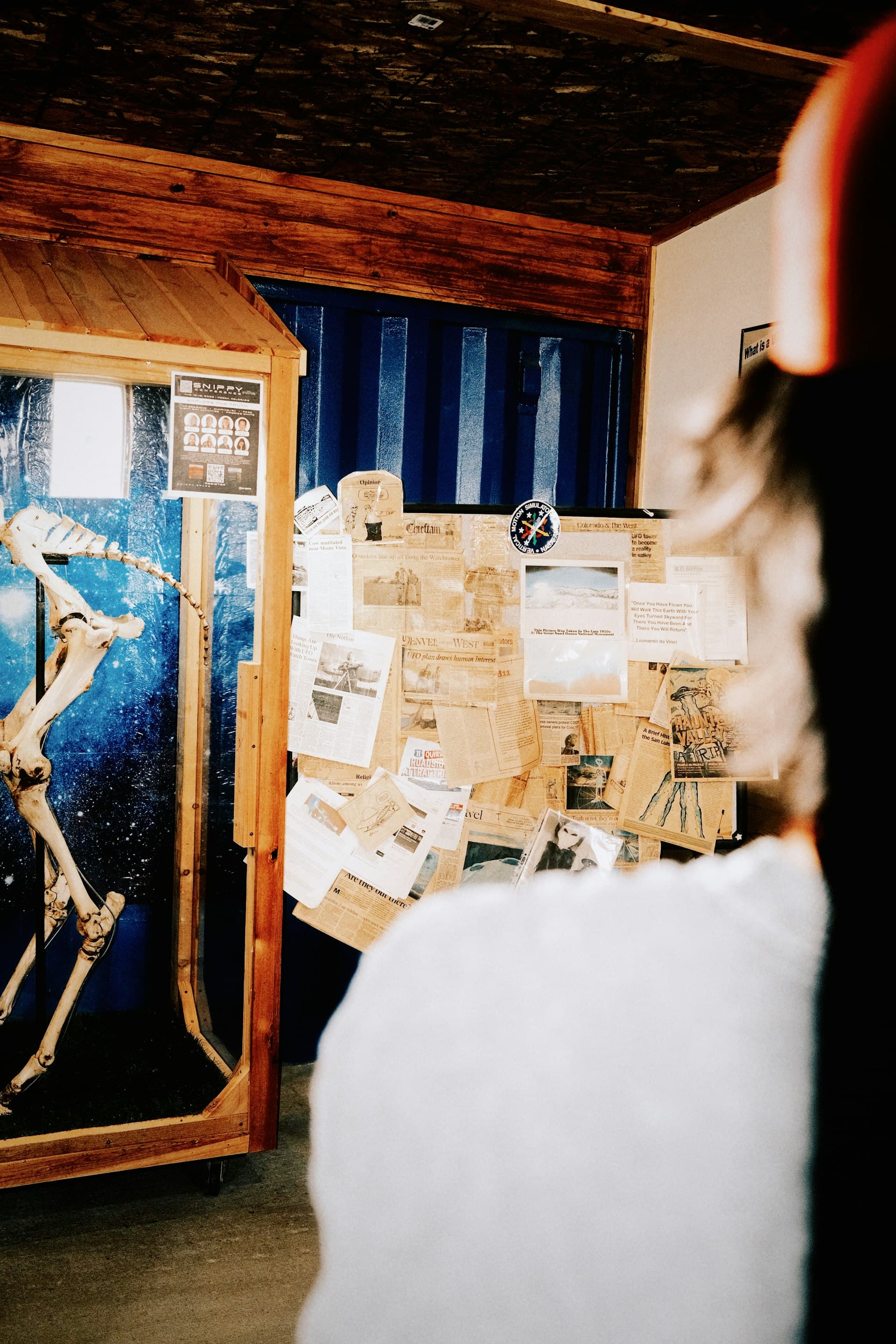
The Randall Museum sits on a hill in Corona Heights between the Castro and Haight, and it is genuinely free, genuinely uncrowded, and genuinely good. The live animal exhibit is the centerpiece — over 100 rescued native California animals that can't be returned to the wild, including red-tailed hawks, great horned owls, desert tortoises, rattlesnakes, and tarantulas. These aren't zoo animals behind thick glass; the enclosures are close and the docents talk to kids at their level. The model railroad exhibit is a full-scale urban diorama with working trains that toddlers will stop and stare at for longer than you'd expect. On Saturdays there's a ceramics studio where kids make something and take it home.
How to Do It
The museum is at 199 Museum Way, San Francisco. Coming by car: Museum Way is a short spur off Roosevelt Way in Corona Heights — it's easy to miss on navigation apps, so look for the Roosevelt Way / States Street intersection and go uphill from there. The museum has a free parking lot, but it's small (roughly 20–25 spaces) and fills fast on Saturdays and during any scheduled programs. Street parking on States Street and Roosevelt Way is free on weekdays; on Saturdays it gets competitive after 10:30am.
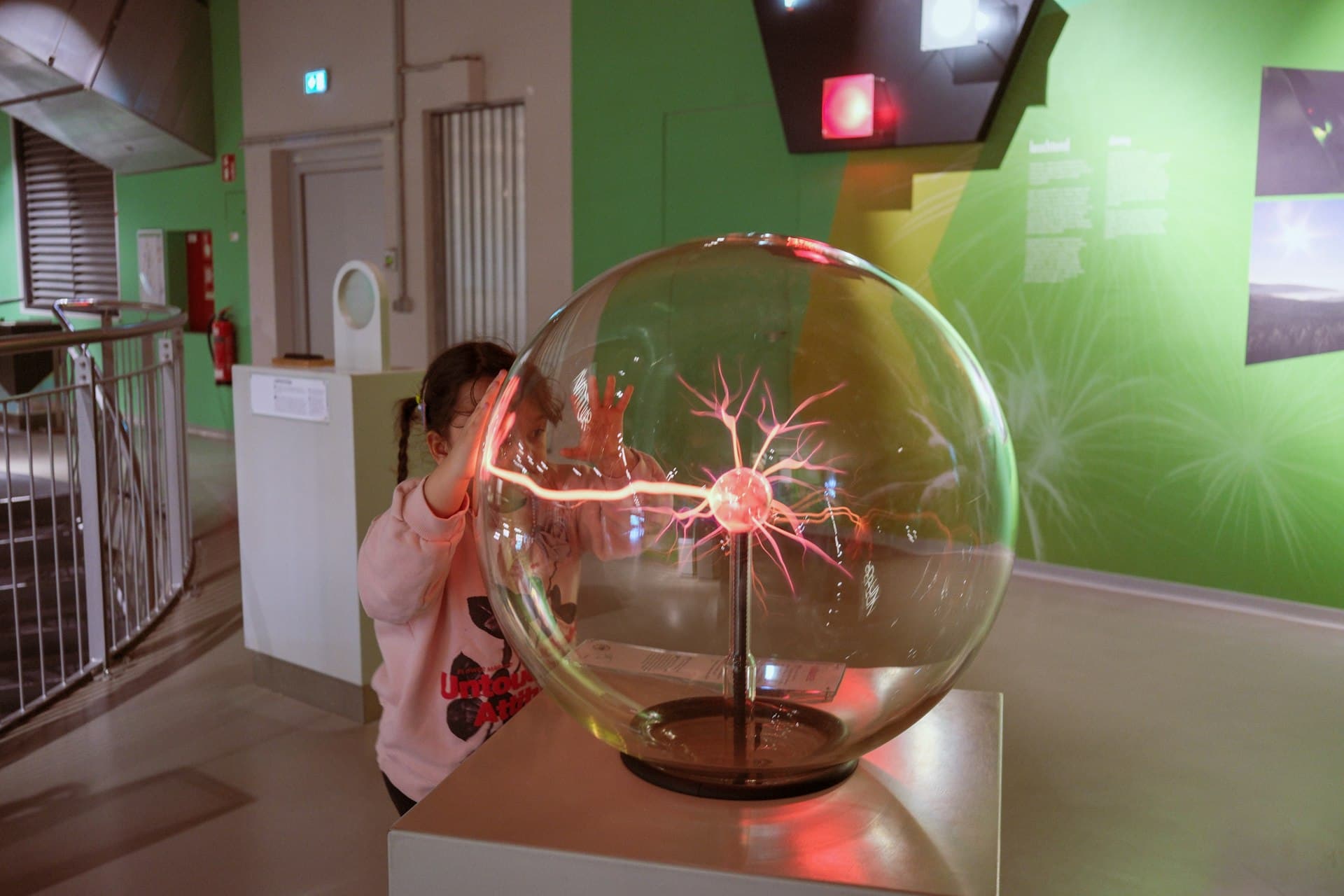
Transit is genuinely the better option. The K, L, or M MUNI Metro lines stop at Castro Station — from there it's a one-block walk north on Castro, then left on States Street for two-thirds of a block to the museum entrance. The 24-Divisadero bus also stops at Castro and 16th Street. From the N-Judah, walk uphill through the neighborhood — about 10–12 minutes from Carl and Cole. Once inside, the main building is a single floor with the animal exhibit, interactive science displays, the model railroad room, the toddler playroom, and art studios all accessible without stairs. The outdoor area — Corona Heights Park trails — is adjacent but steep and not stroller-friendly.
Tips & Tricks
Saturdays are distinct from the rest of the week. The museum offers drop-in art activities on Saturday afternoons from 1–4pm ($10 per adult/child pair, $5 per additional person) and ceramics programming that gives kids a finished piece to take home. If ceramics is the goal, arrive by 1pm — materials and kiln time are limited and it's first come. The rest of the week, the museum is quieter and the live animal area gets more volunteer attention per visitor.
The live animal exhibit has rotating "ambassador" presentations where docents bring animals closer and narrate. These happen on a loose schedule — check at the front desk when you arrive. Catching one adds a lot, especially for kids ages 3–6 who respond to a hawk at eye level.
The model train exhibit lets kids run trains for $3, or bring a compatible train from home to use on the shared layout. The layout includes miniature San Francisco landmarks. Toddlers who aren't into animals yet will reliably lock onto the trains — this is the room to plan extra time in for the 18-month–3-year age window.
The museum has no café, but there's a sunny patio area and a cafe on-site (Tuesday through Saturday) for coffee and snacks. The States Street playground is a short walk downhill from the museum and makes a natural second stop — smaller and less crowded than Dolores Park, with good equipment for ages 2–8.
Planning
Admission is free, no tickets required. Open Tuesday through Saturday, 10am–5pm. Closed Sunday and Monday, and major holidays. Saturday drop-in art: $10 per adult/child pair, $5 per additional person. Bring nothing in particular — the museum provides everything for its activities. Strollers are fine inside the building but not practical on the Corona Heights trails outside. Best for ages 2–8; the live animal exhibit and trains work for the youngest end, and the science labs and ceramics give 5–8 year olds something more hands-on. This is a reliable rainy day and foggy day option — the building is warm, the parking or transit is manageable, and you're rarely competing for space with a crowd.