Overview
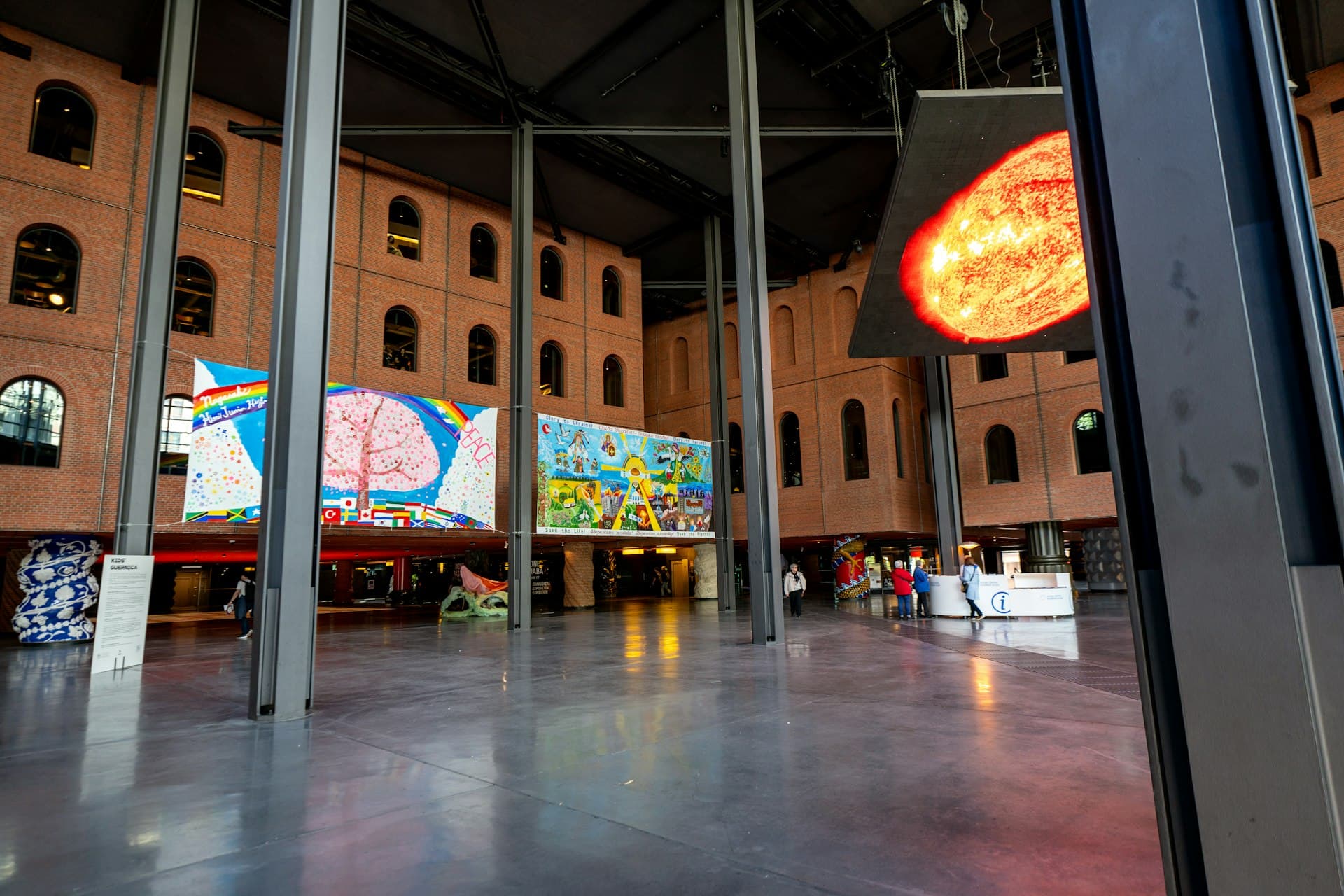
East Bay Open Studios (EBOS) is one of the oldest open studio programs in the country — established 50 years ago, now stewarded by Oakland Art Murmur — and it runs twice a year: a summer session (typically late May to mid-June, across two weekends) and a winter session. Over 150 artists across 12 East Bay cities open their working studios, galleries, and unexpected spaces to the public for free. This is not a curated gallery show — it's access to the places where work actually gets made, which is a different experience entirely, and one kids respond to in ways they don't at a finished exhibition.
How to Do It
The key planning tool is the Artist Directory at eastbayopenstudios.com, which lets you browse by city, medium, and neighborhood. The directory goes live before each session. Select 3-5 studios within walking distance of each other — clustering your visit by neighborhood is far more practical than trying to hit a broad geographic spread. Oakland studios tend to cluster in Temescal, Jingletown, West Oakland, and Fruitvale; Berkeley studios concentrate in the Elmwood and West Berkeley arts district.
Plan for 20-30 minutes per studio. Most visits involve seeing the work, talking briefly with the artist if they're not occupied, and moving on. Some artists actively engage kids — showing them how a wheel works, letting them handle tools, explaining a process. Others are quieter. You won't know until you're inside, and that's part of the value. Walk in, look around, ask one genuine question, and go.
For families in a single Oakland neighborhood, a Saturday morning loop of 3-4 studios is a natural 2-hour outing. Pair it with a café stop afterward and it becomes a full morning.
Tips & Tricks
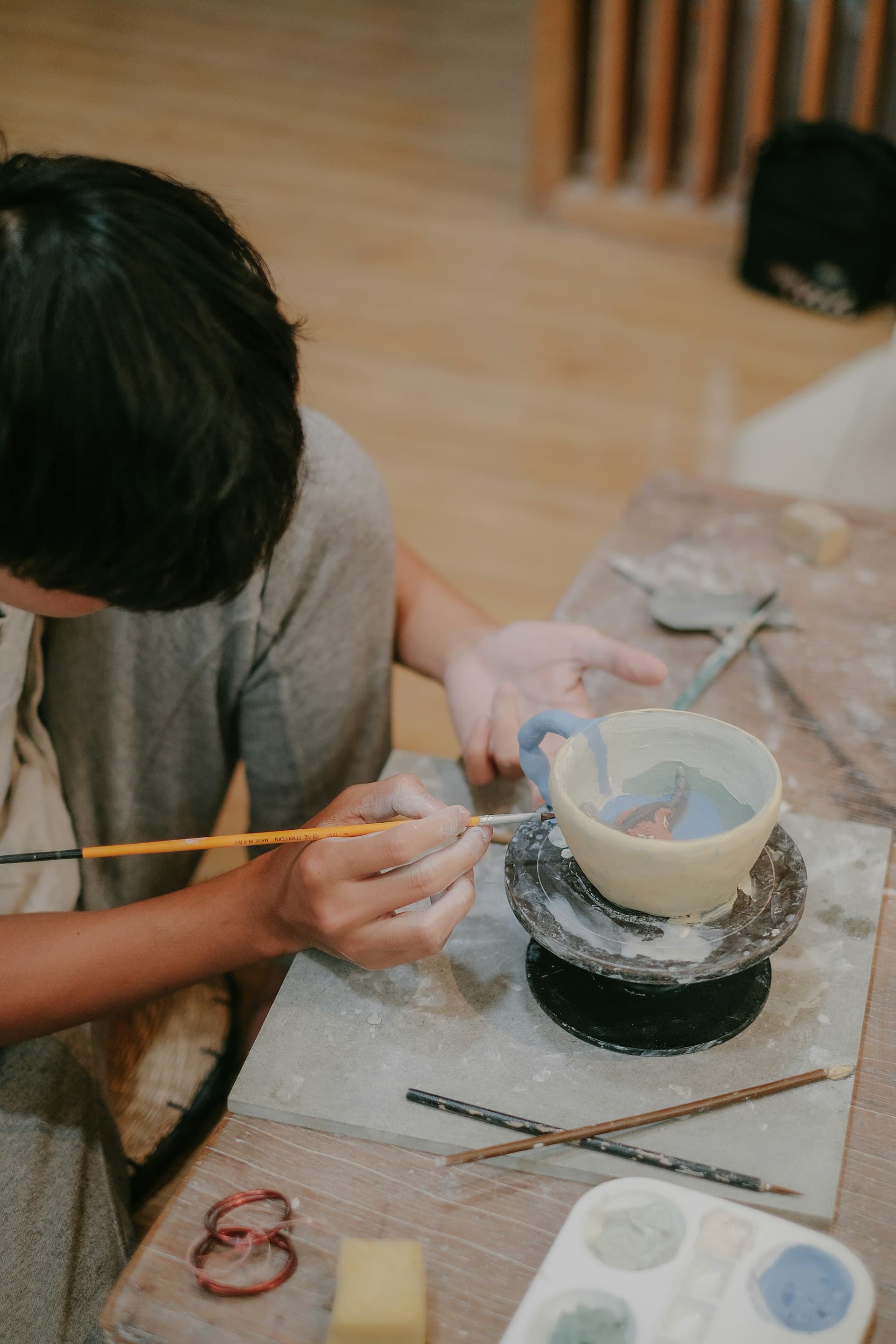
Browse the directory online before the weekend and flag studios that explicitly mention kids, participatory elements, or ceramics and sculpture — physical mediums tend to be more immediately legible to young kids than abstract painting. Ceramicists often let kids touch works in progress. Printmakers and textile artists have processes that are visually compelling in motion. Painters are hit or miss depending on what's on the walls.
The multi-studio buildings are the highest-yield stops with young kids. Sites like Studio One Art Center (Oakland Parks & Recreation's facility in Temescal) and various warehouse complexes in Jingletown host multiple artists under one roof — you get a concentrated tour without car or stroller logistics. Check the Community Hubs section of the EBOS website; these are grouped studio clusters curated specifically for high-volume visits.
Don't pressure kids to perform appreciation. Let them look at what they want to look at, ask the questions they actually have, and leave when they're done. A 10-minute stop at a sculptor's studio where a kid asks "what is that?" and gets a real answer is worth more than 45 minutes trying to extract meaning from abstract paintings. Artists at EBOS are generally warm to curious kids.
The event is free — studios don't charge admission. Artists sell work if you want to buy it, but there's no expectation. Some studios offer small postcards or prints at low price points that make meaningful souvenirs for kids who connected with a particular artist.
Planning
East Bay Open Studios runs free, across two weekends in late May and early June (summer session) and a separate winter session. Hours are typically 11am-5pm daily. No tickets required — just show up at any participating studio during open hours. The full schedule, artist directory, and map are at eastbayopenstudios.com; the directory updates for each session. Best for ages 3 and up — younger kids can handle short studio visits if they're in a carrier or stroller and you keep each stop to 15-20 minutes. Older kids (5-8) who can ask questions and engage in conversation get significantly more from the experience. Bring nothing special — comfortable shoes for walking between studios, and a small bag if you think you might buy something. Stroller-accessible studios are common but not universal; the directory doesn't always specify, so call ahead if it matters. The best neighborhoods to start in for families unfamiliar with the event are Temescal (Oakland) and the West Berkeley arts district — both have high studio density, flat walking terrain, and good café options for a post-tour stop.