Overview
The USS Hornet is a decommissioned WWII aircraft carrier docked at Alameda Point — 900 feet of flight deck, a hangar bay packed with real aircraft, and the Apollo 11 and Apollo 12 recovery story told from the ship that actually picked up those astronauts. It's a Smithsonian affiliate and legitimately one of the most physically impressive museums in the Bay Area. Kids who are into planes, space, or big machines can spend three hours here without running out of things to look at. Weekdays are nearly empty — you may have whole sections of the ship to yourselves.
How to Do It
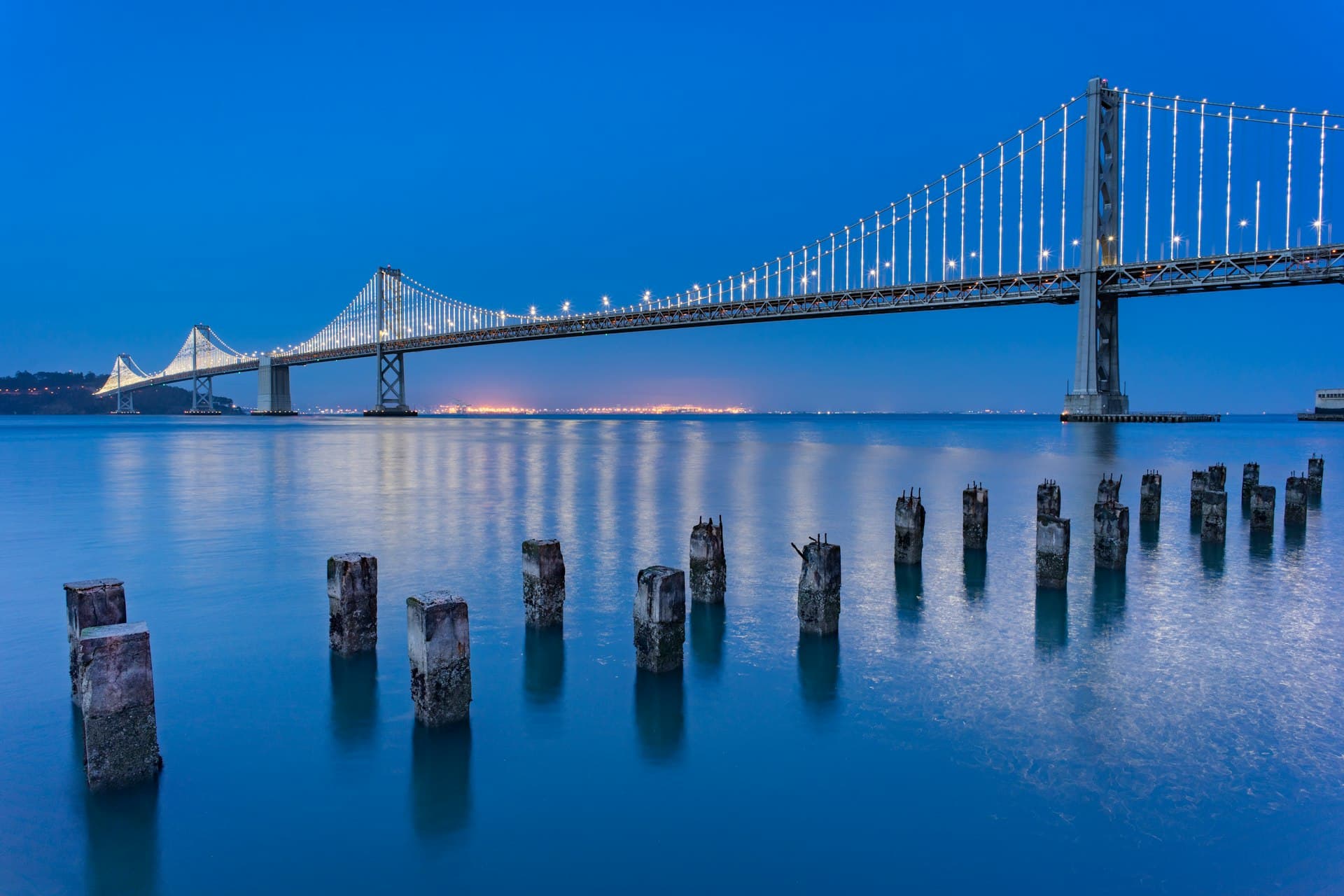
From Oakland, take I-880 to the Broadway/Alameda exit, follow signs into Alameda through the Webster Street Tube, then head west on Atlantic Avenue to the Alameda Point area. The museum address is 707 W Hornet Ave, Pier 3. Parking is free and plentiful directly across from the pier — no competition for spots even on weekends. If you're coming from San Francisco, the ferry is a genuinely great option: take the SF Bay Ferry from the Ferry Building to either the Seaplane Lagoon Terminal (10-minute walk to the ship) or the Alameda Main Street Terminal. A 20-minute ride beats driving through Oakland on a Saturday.
Board via the first gangway off the pier. You enter the hangar deck, which is the best place to start — aircraft of all eras, the Apollo 12 command module, and the flight simulator (extra cost) are all here. From the hangar deck, work upward to the flight deck to see the planes staged on the deck and take in the open-air views of the Bay and the San Francisco skyline. Then go below for the second deck: crew quarters, the hospital bay, the torpedo shop, the mess hall. Docent-led tours go into the island (the tower) and the engine rooms — book these at the admissions desk when you arrive, as they run on a schedule and give access to spaces not on the self-guided route.
Tips & Tricks
All visitors on daily tours must be at least 48 inches tall to access the full ship due to the steep ladders and confined passage spaces. Kids under 48 inches are limited to the hangar deck and flight deck, which is still a full experience, but worth knowing before you go. Children under 16 must be with an adult at all times.
The flight simulator in the hangar bay costs extra and has its own line — hit it first thing when the ship opens at 10 a.m. before it fills up. Kids 6 and up get the most out of it; younger kids can sit in the cockpits of the static aircraft for free.
Docent-led tours are worth the add-on ($12 per person). The volunteer docents are often veterans or aviation history enthusiasts who can answer anything a kid throws at them, and they take you into engineering spaces that aren't on the self-guided map. Ask at the ticket desk when the next one departs.
No large bags or backpacks are allowed on board — the corridors are genuinely narrow. Bring snacks in a small bag or leave them in the car. Wear comfortable closed-toe shoes; the deck surfaces are textured steel grating and the ladders are steep.
Planning
Admission is $25 for adults, $12 for youth ages 7–17, and free for children 6 and under. Seniors, military, and students pay $15. The museum is open Friday, Saturday, Sunday, and Monday from 10 a.m. to 5 p.m. (last entry at 4 p.m.). Closed Tuesday, Wednesday, and Thursday, as well as New Year's Day, Thanksgiving, and Christmas. Tickets can be purchased at the ship or online. EBT cardholders get $2 admission through the Museums for All program.
Bring layers — the flight deck is fully exposed to Bay wind and fog, and below-deck spaces can feel clammy. Good walking shoes are essential. Best months are April through October when the flight deck is pleasant and dry, but the hangar and lower decks are all-weather. Ages 4 to 5 will enjoy the visuals but hit sensory overload below decks; ages 6 and up can handle the full ship. Plan 2.5 to 3 hours minimum if you want to see the hangar deck, flight deck, and go below.