Overview
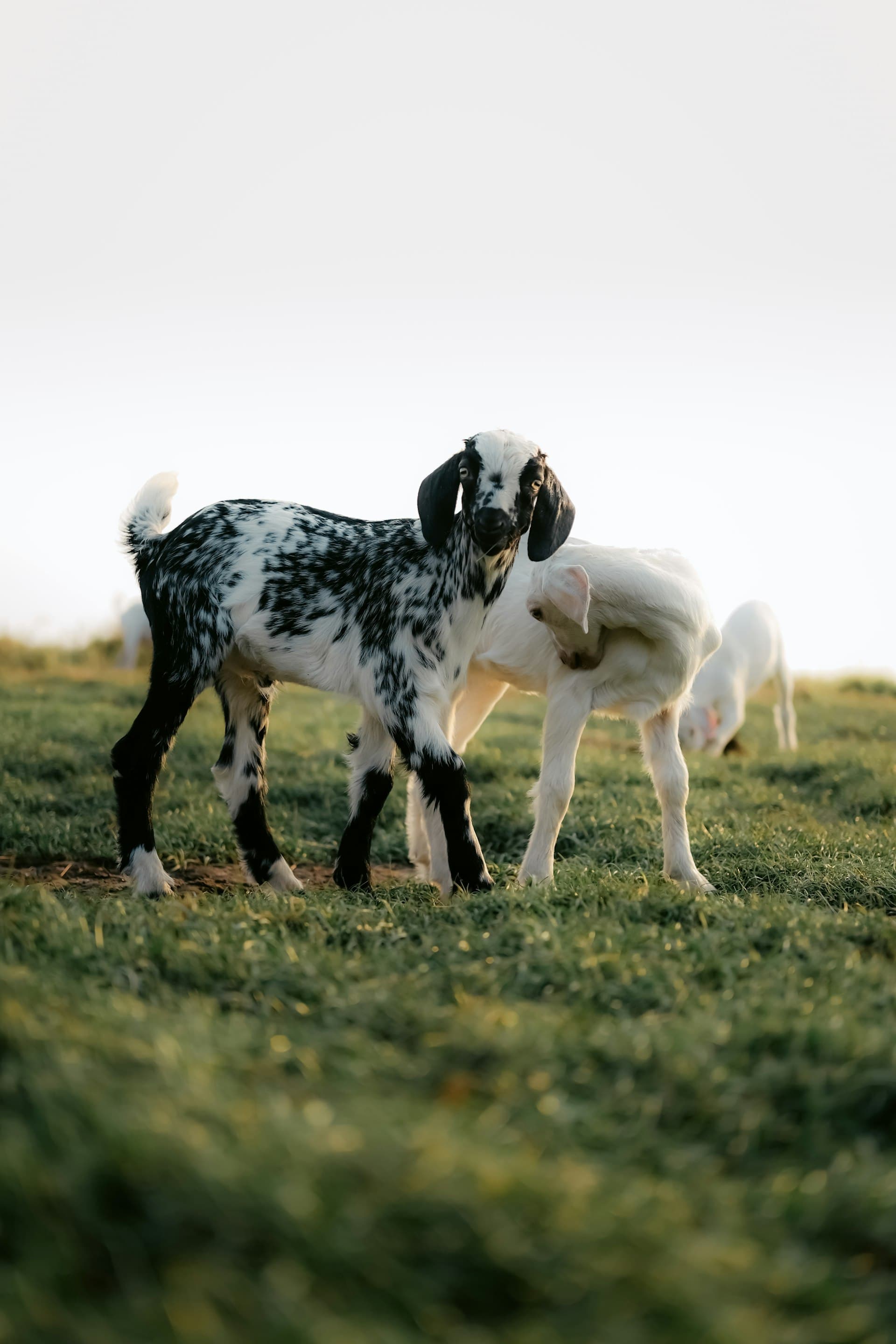
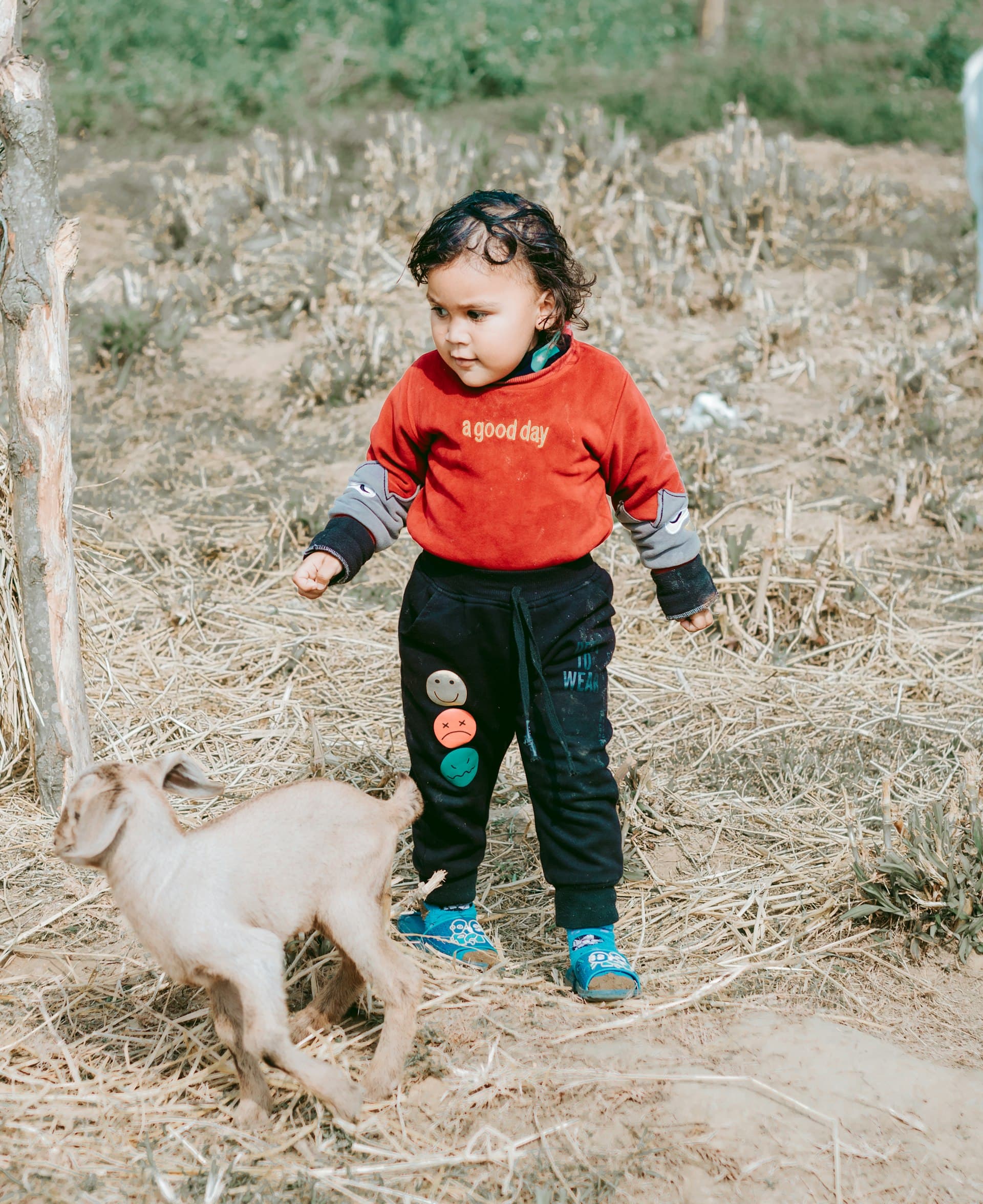
Hidden Villa is a 1,600-acre organic farm and wilderness preserve tucked into the foothills above Los Altos Hills — one of the few places in the Bay Area where kids can get genuinely close to working farm animals in a non-zoo, non-petting-zoo context. Sheep, pigs, goats, cattle, and free-range chickens roam the farm grounds; the adjacent wilderness trails add 8 miles of hiking through creek canyons and ridge views of the South Bay. It's deliberately low-key and unhurried, which is either its best quality or a mismatch depending on your kid's tolerance for unstructured outdoor time.
How to Do It
Hidden Villa is at 26870 Moody Road in Los Altos Hills. From Highway 280, take the El Monte/Moody Road exit and follow El Monte Road past Foothill College, then turn left on Moody Road for 1.7 miles until you see the Hidden Villa sign on the left. Park in the main lot — not on Moody Road. The lot is unpaved and dusty; it's large but fills on spring weekends. Pay the $10 parking fee by cash or check in the green ranger box near the gatehouse, or pay ahead online. From the parking lot, walk south past the restrooms toward the Tin Barn — that's where you'll find sheep and cows first. A volunteer is often in or near the pens and will let kids touch animals with guidance. The chicken coop is nearby along the Bunny Loop Trails. Pick up a farm map at the entrance area — the layout is not obvious without it. After the farm, the Creek Trail is a 1.3-mile loop that follows Adobe Creek through a shaded canyon with a gentle 240-foot gain; it's the right intro trail for most families. A longer option combining Creek, Grapevine, and Hostel Trails adds up to about 3.5 miles and 950 feet of gain if you want a real workout.
Tips & Tricks
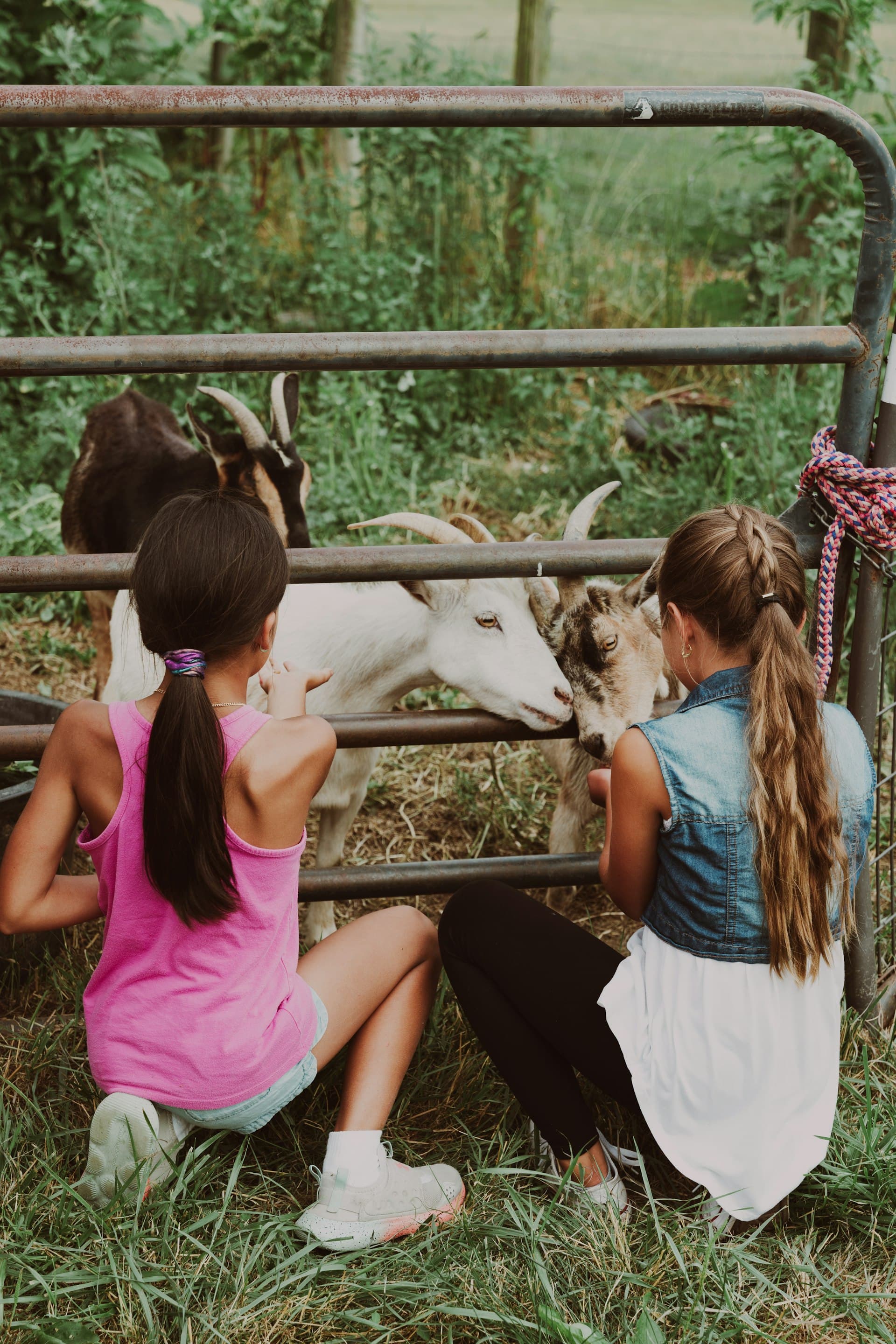
Do not feed the farm animals — they're on specific diets and feeding is reserved for staff and docents. That said, a volunteer or docent at the pens is worth seeking out; they're knowledgeable and genuinely engaging with kids, and can explain what animals eat and how the farm functions as an organic operation. The creek trail is best in late winter and spring when Adobe Creek is actually running — by October it's often dry and less interesting. If you visit in fall, budget more time for the farm and less for the creek. Dogs are welcome on the farm but not on the wilderness trails and not in areas with free-ranging chickens; plan accordingly. Cellular coverage is limited throughout the property, so download the farm map before you arrive. Hidden Villa has no trash cans anywhere on the property — it's a full pack-in, pack-out system — so bring a bag for wrappers and waste. The entire property is prime mountain lion habitat (abundant deer); this is disclosed clearly on their safety page and shouldn't deter a visit, but it's worth knowing and keeping young kids close on trail.
Planning
Hours are Tuesday through Sunday, 9am to dusk, from September through May. Hidden Villa closes entirely to the public (including hikers) from approximately June 1 through early August for summer camp season. There are limited open weekends during the summer closure — check the website before planning a June or July visit. The $10 parking fee is paid by check or cash at the green box near the gatehouse; you can also prepay online. An annual Access Pass ($100) waives the fee for unlimited visits September through May. No strollers on the trails — the terrain is too uneven. Bring water and snacks; there's no food or water available on the property. Layers are appropriate even in spring — the hills hold morning fog. Best age range for the farm experience is 2–7; older kids get more from the longer trails. Best months are March through May for green hills, active creek, and the farm at its most photogenic; September and October work well for fall light and a quieter crowd.