Overview
Fitzgerald Marine Reserve in Moss Beach holds the most accessible and biodiverse tide pools in the Bay Area — a quarter-mile reef that at minus tides reveals purple sea stars, giant green anemones, monkeyface eels, nudibranchs, hermit crabs, urchins, and octopuses packed into shallow rocky pools. It's a Marine Protected Area, so nothing gets collected or touched, but the look-don't-touch rule is part of what keeps it exceptional. The reserve is about 30 minutes south of SF via Highway 1, and admission and parking are free.
How to Do It
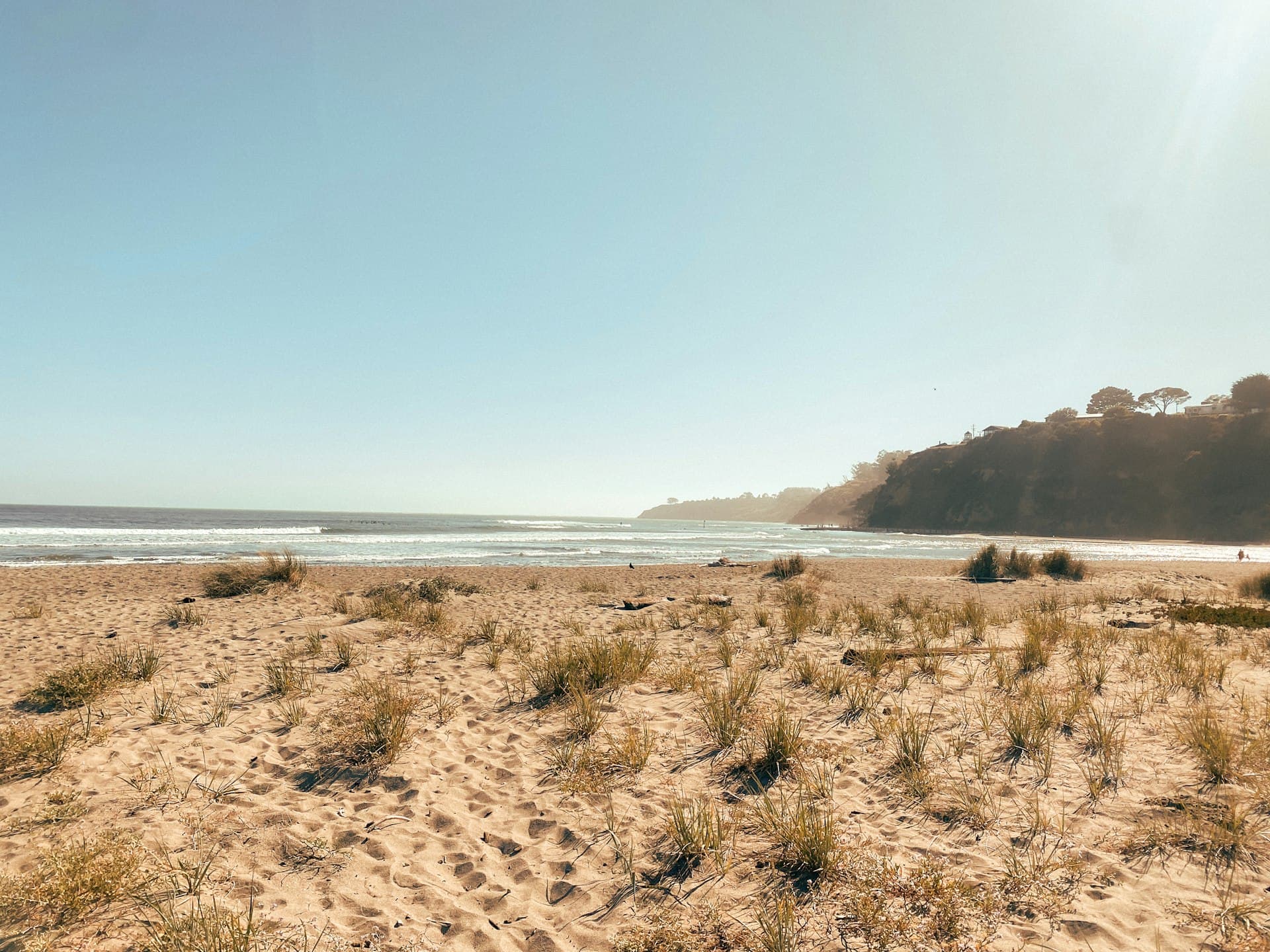
Park in the free lot at 200 Nevada Avenue in Moss Beach — it has roughly 35 spaces plus a small overflow area, and it fills fast on low-tide weekends. From the lot, take the short trail through a grove of cypress trees down to the reef. The rocky intertidal zone stretches roughly north-south along the bluffs, and you'll want to work toward the lower pools as the tide drops — the lowest pools hold the most life. A county ranger is usually stationed on the reef and will point out species and answer questions. The adjacent beach north of the reef is fine for a walk, but the real action is on the rocky flats. Restrooms are at the parking lot. There is no food or water on-site.
Tips & Tricks
Target a tide of 1.0 feet or lower, ideally a zero or minus tide. Check the tide tables on tides.net or NOAA before you commit to a date — a 0.5 or lower reading gives you significantly more exposed reef than a 1.5, and the difference is dramatic. The window around low tide runs about two hours on either side. Late spring through early fall gives the best combination of accessible minus tides during daylight hours, but the reserve is open year-round and winter tides can be just as good if you check the charts.
The parking lot has only about 45 total spaces and fills completely on weekend low tides, sometimes by 9 a.m. Weekdays are reliably less crowded, and the experience is better for it — you can explore the pools without managing around other families. If you arrive and the lot is full, there's limited street parking on Nevada Avenue about a quarter mile back.
Footwear is the single most important gear decision. Kids need closed-toe shoes they can get wet — water shoes with rubber soles work well, as do old sneakers. The rocks are covered in wet algae and the footing is genuinely slippery. Flip-flops are a fall waiting to happen. Bring a dry pair of socks for the ride home.
The wind at Fitzgerald is consistent and cold regardless of inland temperatures. Even on 70-degree days in the East Bay, the coast here runs 55-60°F with wind chill. Pack a windproof layer for every family member. Fog is also common, particularly in the mornings from June through August.
Planning
Admission is free. Parking is free. No reservations required for groups under 15 people — just show up. Groups of 15 or more need a reservation through San Mateo County Parks (call 650-363-4021, Monday-Thursday, 7:30 a.m.-5 p.m.); guided naturalist tours are available for those groups and are also free.
The reserve is open daily during daylight hours. The best months to visit for low-tide timing during school hours are May through September. July and August often have the best minus tides in late morning. December through February can be excellent too — tides are dramatic and crowds are minimal — but weather is colder and rain is possible.
Bring water, snacks, a windproof layer for everyone, and shoes that can get completely soaked. Kids 5 and up tend to get the most from this — younger kids can struggle with the uneven, slippery terrain and the rule against touching. A hand lens or magnifying glass turns ordinary crabs into a full biology lesson.