Overview
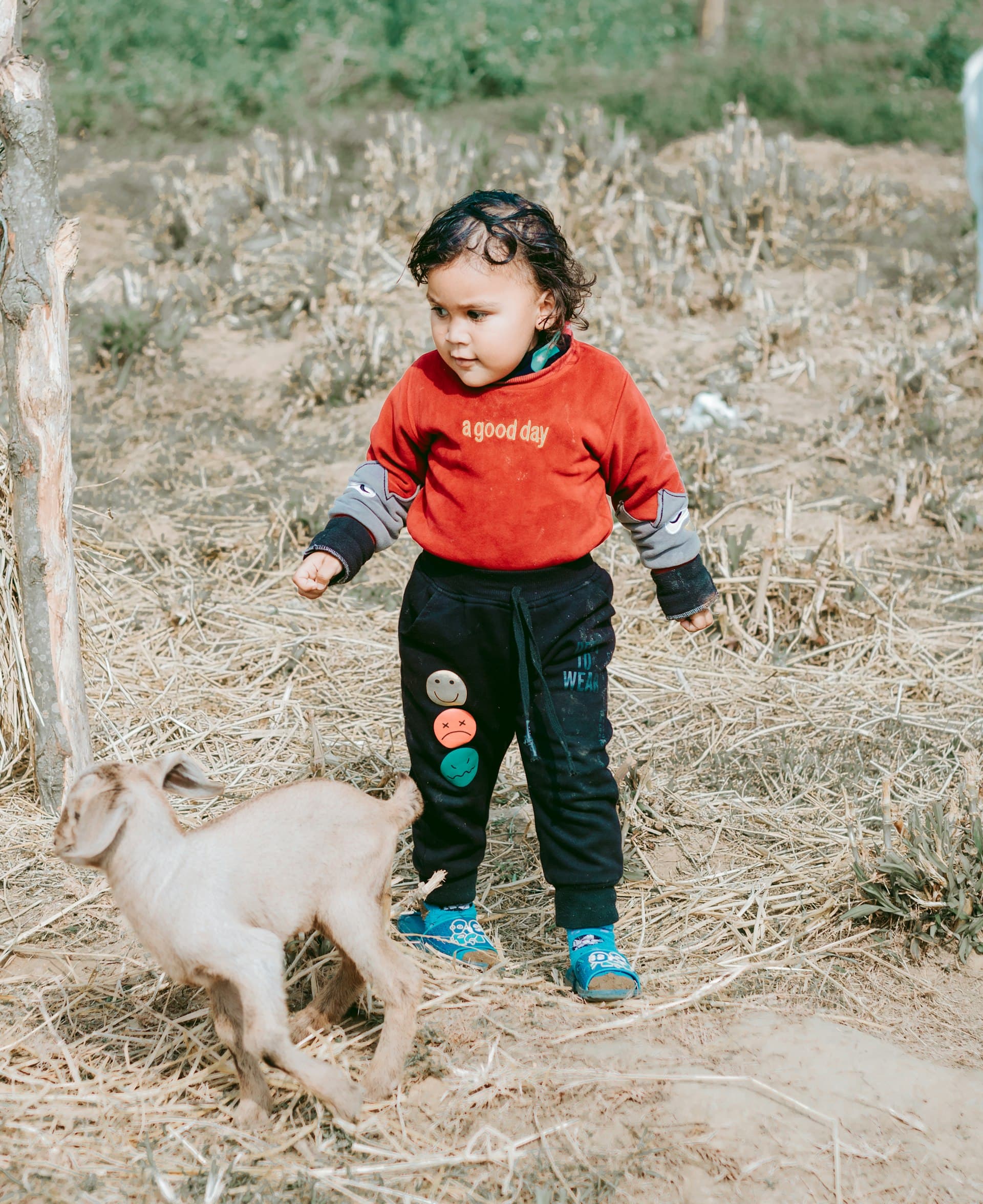
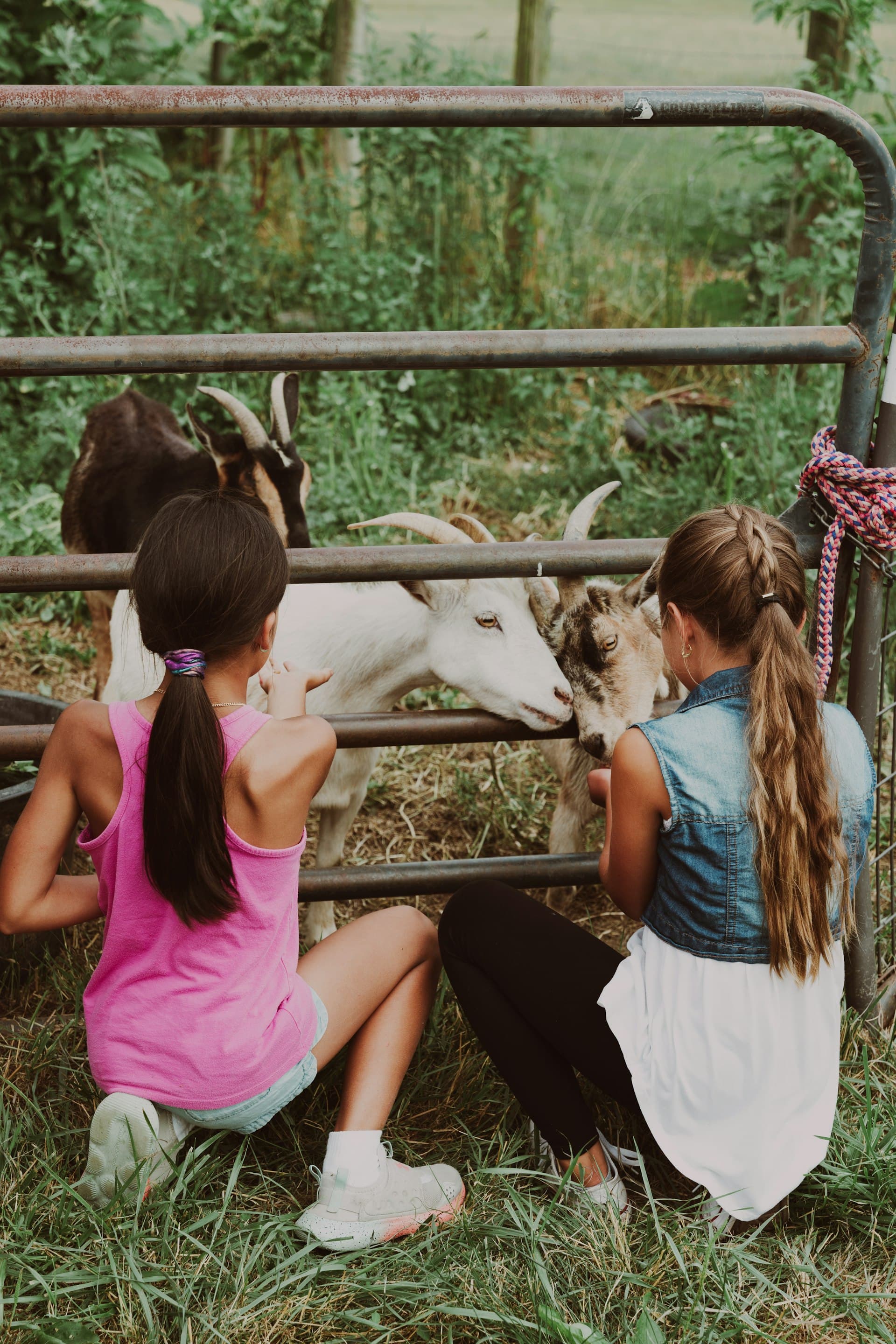
Ardenwood is a fully operating Victorian-era farm run by the East Bay Regional Park District, where costumed interpreters demonstrate life on a turn-of-the-century California family farm. Kids can collect eggs, card wool, press apples in season, and watch blacksmiths work at the forge — hands-on in a way that no museum replica can replicate. The narrow-gauge railroad, operated by the Society for the Preservation of Carter Railroad Resources, runs through the farm fields and North Woods and is the single biggest draw for kids under 8. The farm's animal yard has sheep, pigs, chickens, rabbits, goats, cows, and turkeys that you can get close to throughout the day.
How to Do It
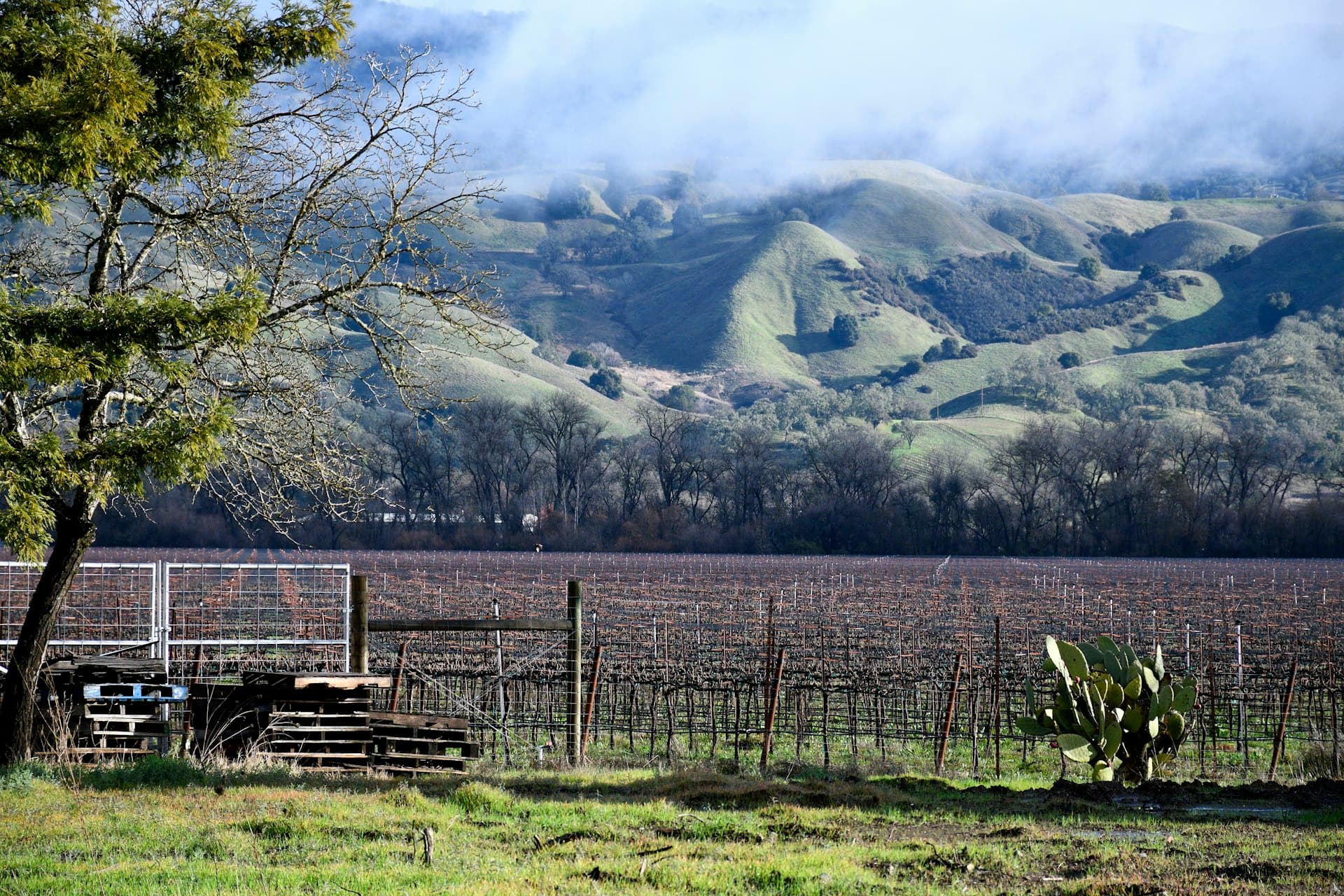
Ardenwood is at 34600 Ardenwood Boulevard, Fremont, 94555 — exit on Ardenwood Boulevard from Highway 84 (Dumbarton Expressway) and follow signs north. Parking is free. No dogs allowed anywhere on the farm property.
The train station (Arden Station) is near the main entrance. Board there and ride approximately 25 minutes through the farm fields and into the North Woods to Deer Park Station, where a short walk takes you to the farmyard and Patterson House. You can ride back on the return train or walk the path back. The train runs on Thursdays, Fridays, and Sundays from the first weekend of April through the weekend before Thanksgiving — it does not run Tuesdays, Wednesdays, or Saturdays outside of special events.
Plan to arrive when the farm opens at 10am to catch the first train runs and to get through the farmyard before midday heat in summer. The Farmyard Cafe is open Saturday and Sunday 10am–4pm with coffee, snacks, and lunch. Most of the main facilities — Patterson House, Hay Barn, Granary, restrooms — are wheelchair accessible on paved paths with no significant grade changes.
Tips & Tricks
Thursday, Friday, and Sunday are the days worth planning around. The train runs those days, Patterson House tours run, the blacksmith shop is open, and costumed docents lead period programs throughout the farm. On Tuesdays and Wednesdays, the grounds and animals are open but the train and house tours are closed — fine for a shorter visit or a school group, but not the full experience. Saturday is also open but the train and Patterson House are both closed on Saturdays.
The pricing reflects this: admission on Thursday, Friday, and Sunday (April through the Tuesday before Thanksgiving) is $6 adults, $5 seniors, $4 children (4–17), under 4 free. Tuesdays, Wednesdays, and Saturdays, and all days from late November through March, are $4 adults, $3 seniors, $2 children. No parking fee.
Sunday is the most program-rich day if you want costumed staff leading activities throughout. Every historic day ends with an animal feeding at 3pm — a strong reason to plan your afternoon accordingly rather than leaving mid-afternoon.
Since activities rotate by season, no two visits are the same. Sheep shearing happens in spring, corn and wheat harvest in late summer and fall, apple pressing typically in September and October. The Harvest Festival in October and the Fourth of July celebration are special events with higher admission ($8–$30 per person depending on event) that sell out — check the EBRPD calendar in advance if you want those.
Planning
Standard admission: $4–$6 adults, $3–$5 seniors, $2–$4 children (4–17), under 4 free — pricing varies by day and season (see Tips). Free parking. No dogs. Open Tuesday through Sunday, 10am–4pm. Closed Mondays except Memorial Day and Labor Day. Closed Thanksgiving and Christmas Day.
Bring snacks and a water bottle — the Farmyard Cafe is weekend-only. Wear comfortable walking shoes; the grounds are compact but you'll cover them multiple times chasing kids toward animals, trains, and the blacksmith shop. A hat and sunscreen in summer, as much of the farm is open ground. Strollers are technically permitted but the packed dirt paths and uneven terrain make them inconvenient — a carrier for toddlers works better. Ages 2–8 are the sweet spot, with the 3–7 range getting the most from the train, animals, and hands-on demonstrations. Best months are April through October for full programming; visit from November through March for a quieter, lower-key outing with animals but no train.