Overview
Año Nuevo is one of the world's largest mainland breeding colonies for the northern elephant seal — and unlike viewing seals from a sea cliff or a boat, here you walk among them on a docent-led hike through sand dunes and coastal scrub, getting within 25 feet of animals that can weigh 5,000 pounds. From December through March, the beach is packed with bulls fighting for dominance, cows nursing pups, and juveniles doing what juveniles do. The males are enormous, genuinely loud, and deeply weird-looking — kids who see them here do not forget it. This is not a zoo; it is one of the most raw wildlife encounters available on the Peninsula, and it is an hour and a half from the Bay Area.
How to Do It
The park entrance is at 1 New Years Creek Road, Pescadero, CA 94060, about 55 miles south of San Francisco via Highway 1 or via I-280 to Highway 84 to Pescadero Road to the coast — the Highway 1 coastal approach is slower but far more scenic and worth it on clear days.
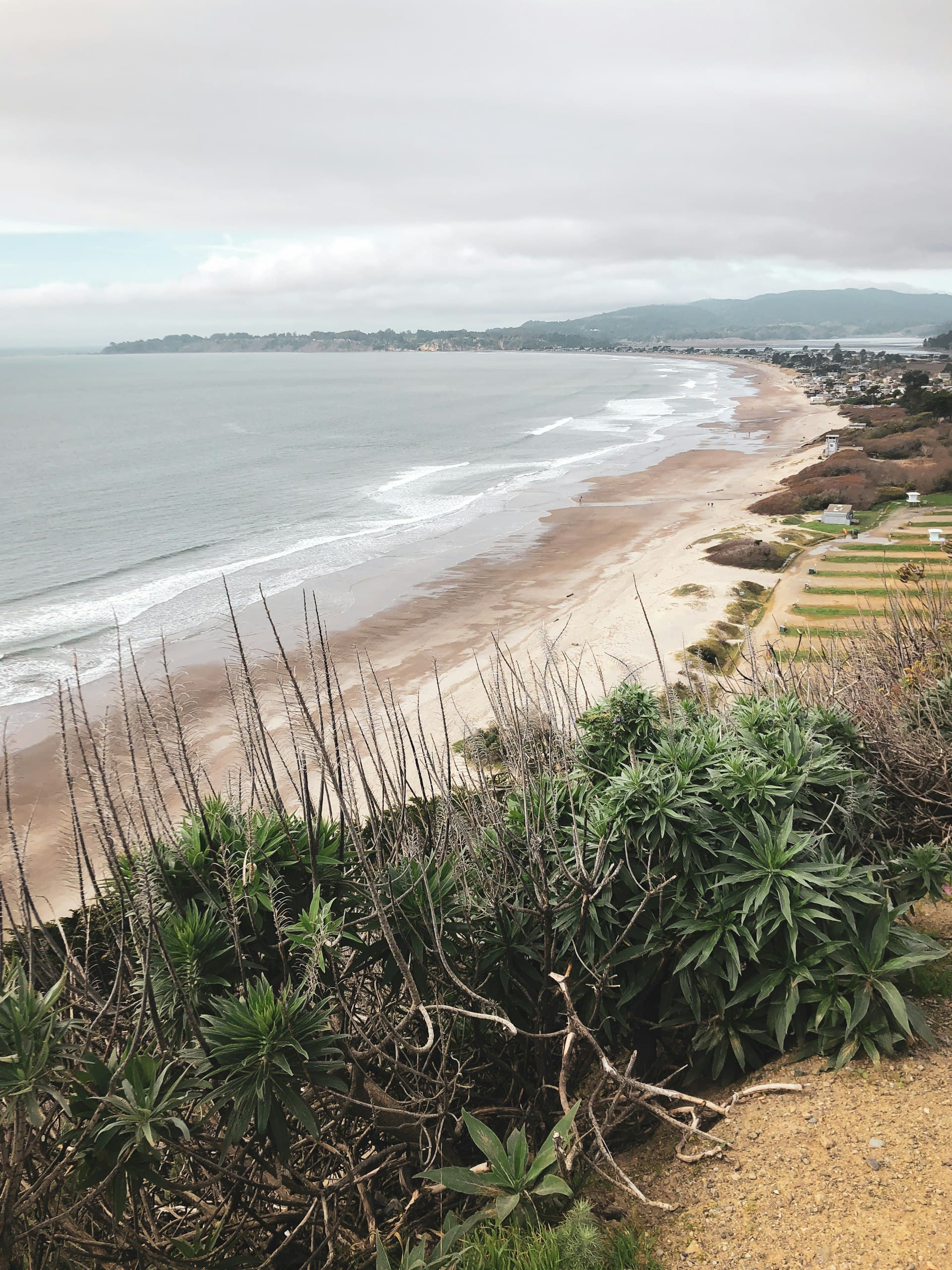
When you arrive, check in at the Marine Education Center, the white barn-style building near the parking lot. This is required whether you have a reservation or not — rangers issue day-use permits here, and it is where guided tour groups stage. The walk to the seal viewing areas is 3–4 miles roundtrip depending on which viewing areas you reach. The terrain is mostly flat gravel path with coastal bluff views for the first half, then a boardwalk, then sandy dunes for the final stretch to the beach. The dunes are the physically demanding part for younger kids — loose sand, some steep hills. Two closest viewing areas are South Point and Bight Beach; South Point offers the most seals and the best backdrop (Año Nuevo Island with its abandoned lighthouse in the distance). The most remote viewing area, North Point, requires the full distance and more time; the docents recommend it but most families with young kids will be satisfied well before that.
Tips & Tricks
During breeding season (December 15–March 31), a guided docent walk is required — you cannot walk out to the seals on your own. Reserve through ReserveCalifornia at reservecalifornia.com or by calling 1-800-444-4445. Reservations open October 20 for the December 15–March 31 season and go fast, especially for peak January weekends when the colony is at maximum size and activity. Book as soon as they open if you have a specific date in mind. Walking pace is set by the docent and the group — if your youngest will struggle to keep up or stay on task for 2.5 hours of moving and stopping, be honest about that before you book a breeding-season tour.
From April through November, elephant seal viewing is self-guided with no reservation required. You get a free day-use permit at the Marine Education Center (available 8:30 AM–3:30 PM; do not arrive after 3:30 PM, as you will not be permitted to start the hike). Self-guided visits let you move at your own pace, stop as long as you want, and cut the hike short if kids hit a wall at the sand dunes. The tradeoff is fewer seals and less dramatic activity — molting season brings females and juveniles, not the massive bulls and nursing pups of winter.
Strollers cannot go on the guided walk — leave them at the staging area barn, which is about halfway down the trail. The staging area itself has worthwhile exhibits including animal bones, shed fur, and knowledgeable docents. It is a good snack and bathroom stop. Pack binoculars: you must stay at least 25 feet from any seal (more now — a recent outbreak has pushed that to 30 feet in some areas), and binoculars make a real difference at viewing distance. Kids who have them are noticeably more engaged.
The coastal weather here is unpredictable even on days that look clear inland. Wind off the Pacific is cold and persistent, and fog can roll in quickly. Dress everyone in more layers than you think you need, add wind protection, and put waterproof shoes on kids who will be walking through sand. Umbrellas are not allowed on the guided walk.
Planning
Parking fee: $10 per vehicle. Guided seal walk fee (breeding season, December–March): approximately $7 per person age 5 and up plus a $4 reservation/registration fee — approximately $11 total per person. Children under 5 free. Self-guided viewing (April–November): parking fee only, no walk fee. Permits are free and issued on-site at the Marine Education Center between 8:30 AM and 3:30 PM. Equal Access Walks for visitors with mobility limitations are available by calling 650-879-2029.
Best months for peak experience are January and February — maximum colony size, active fighting among bulls, and pups nursing on the beach. Early December and late March still have strong activity. Self-guided summer visits (May–August) have fewer seals and less action but no reservation hassle. Avoid arriving after noon on winter weekends — tours fill and parking can be limited. Kids 4 and up can handle the hike; the sweet spot is 5–8 for the combination of physical capability and genuine engagement with what they are seeing. Bring water, snacks for the hike, sunscreen (coastal UV is real even when it feels cold), and download any music or podcasts offline before you leave — cell service on the coast here is unreliable.