Overview
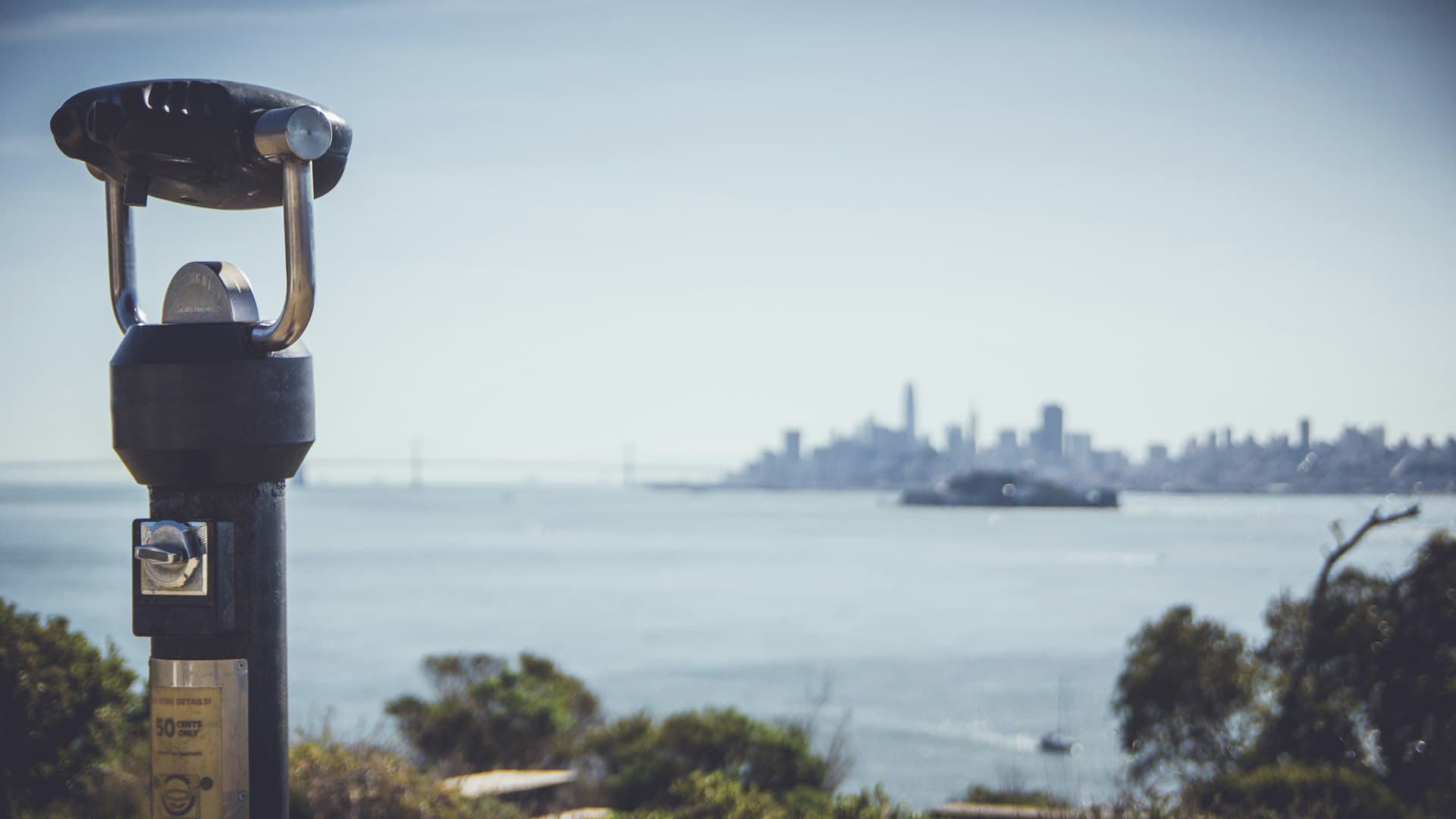
Angel Island is the largest island in San Francisco Bay — entirely car-free, run by California State Parks, and layered with military history spanning the Civil War through the Cold War. At its peak it served simultaneously as an Army fort, an immigration processing station (the "Ellis Island of the West"), a prisoner-of-war camp, and a Nike missile base. Today it is one of the few places in the Bay Area where a family can spend a full day outdoors with genuinely dramatic 360-degree views and real historic sites to explore, not just trails. The island is accessible by ferry from Tiburon (12 minutes, the better family option) or from the SF Ferry Terminal via Golden Gate Ferry.
How to Do It
From Tiburon, take the Angel Island–Tiburon Ferry from 21 Main Street in downtown Tiburon (see the companion entry for parking specifics). From San Francisco, the Golden Gate Ferry departs the Ferry Building on the Embarcadero seven days a week — one-way fares are $15.50 for adults 19–64, $8 for youth 5–18 and seniors 65+, free for kids 4 and under; a Clipper Card brings the adult fare down to $9.25. Return tickets cannot be purchased on the island, so buy round-trip from SF before you leave.
All ferries dock at Ayala Cove. The visitor center, café, restrooms, picnic area, and small beach are here — spend the first 15 minutes getting your bearings and using the bathroom before heading out. For families with younger kids, the Ayala Cove beach, picnic tables, and nearby trails make a complete half-day without going further into the island. For families ready to move, the two main options are the Perimeter Road (a roughly 5-mile loop around the island's coastline, mostly on fire road with consistent bay views) or the tram tour, which covers the main sights in about an hour with narration. The tram stops at Battery Ledyard for Golden Gate views and at the Immigration Station. Camp Reynolds on the west side of the island is worth the extra walk for older kids — rangers sometimes fire a 19th-century muzzle-loading cannon there, and the restored buildings give a strong sense of the Army post that operated here from 1863 onward.
Tips & Tricks
The Perimeter Road is wide enough for a sturdy all-terrain stroller, so this is more accessible than the stroller_friendly:false tag suggests for families with solid equipment. Standard umbrella strollers will struggle on the unpaved sections. Most of the road is unshaded — sunscreen and hats are not optional.
Charcoal for the Ayala Cove grills is not available for purchase on the island. If you want to grill, pack it from home. The Angel Island Café serves food daily in summer from 10 AM to 3 PM, with reduced days in the off-season — sandwiches, burgers, soups, Hog Island oysters, beer, and wine. The food is decent but expensive; packing lunch is the smarter family move and the Ayala Cove picnic tables are genuinely pleasant.

Bike rentals at Ayala Cove are first-come, first-served — mountain bikes $16/hour or $64/day, electric bikes $26/hour or $99/day. In peak season on summer weekends, rentals can be gone by midday. If biking the Perimeter Road is your plan, either arrive on the first ferry or bring your own bikes (the Tiburon ferry charges $1 per bike). The SF Golden Gate Ferry also allows bikes.
The tram tour route was modified following a December 2024 landslide near the Nike Missile Site on the south side of the island. The south-side section of Perimeter Road may also have limited access. Check current conditions at angelisland.org before you go, especially if the missile site or south perimeter is part of your plan.
Planning
Park admission is included in your ferry ticket — there is no separate state park entry fee. Tram tours are $18 adults, $17 seniors 65+, $12 children 5–12, free for lap children; worth booking online at angelisland.com in advance for summer weekends. The Detention Barracks Museum costs $5 adults, $3 youth 5–17, free under 5. The Immigration Station Museum is free. Camping is available on the island — reserve at reservecalifornia.com.
The island is open 8 AM to sunset year-round. Weekday ferry service from Tiburon varies by season; the SF Golden Gate Ferry runs seven days a week. Best months are April–October, with May and September offering the most reliable clear weather and bay views. July and August are peak crowds and peak fog — you may be cold and unable to see the skyline. Dress for 10–15 degrees cooler than wherever you parked. No dogs, no skates or scooters. The tram is the right call for families with kids under 5 or mixed-age groups where the youngest cannot sustain a multi-hour hike; the Perimeter Road loop suits kids 6 and up who want a real workout.