At a glance
- Eight washable items — one craft run, same corner forever.
- One material out per session — not the whole kit.
- Cleanup under thirty seconds when the tray, hook, and smock live together.
What you’re building
A process art station is infrastructure — like the sensory bin, but at the table. Same tray, same hook, same smock. When they say “I want to draw” at 4pm, you walk them to the corner instead of hunting for paper and hoping the markers still work.
Process art means the making is the point — not a picture to hang on the fridge. No coloring books, no glitter, no liquid paint until you can supervise every brush dip.
Safety floor
- No unattended paint before 18 months — water painting books are the only “paint” here. Stay within arm’s reach while the brush is out.
- Cap sizes — marker and pastel caps smaller than 1.75 inches stay off the tray until mouthing stops. Caps go in a cup, not loose on the table.
- No glitter — not washable, not worth the vacuum. Same rule for permanent markers and skinny oil pastels.
- Washable only — if it doesn’t wipe off the tray with a damp cloth, it doesn’t live at this station.
Shopping list
Eight items, one craft run. Everything lives at the station — not scattered in junk drawers.
The art station
Same corner every time — tray on a placemat, smock on a hook at kid height. Washable materials only.
.jpg&w=3840&q=75)
Rimmed tray or placemat
Kitchen / dollar store
Cookie sheet or cafeteria tray — defines the zone so marks stay contained.
.jpg&w=3840&q=75)
Art smock or old adult T-shirt
Craft aisle / hand-me-down
Long-sleeve coverage — goes on before any material comes out.
.jpg&w=3840&q=75)
Wall hook at kid height
Hardware / adhesive hooks
Smock lives here, not in a drawer — one motion to start, one to finish.
Week-one materials
One material out per session — not the whole kit. No glitter, no permanent markers, no loose caps.
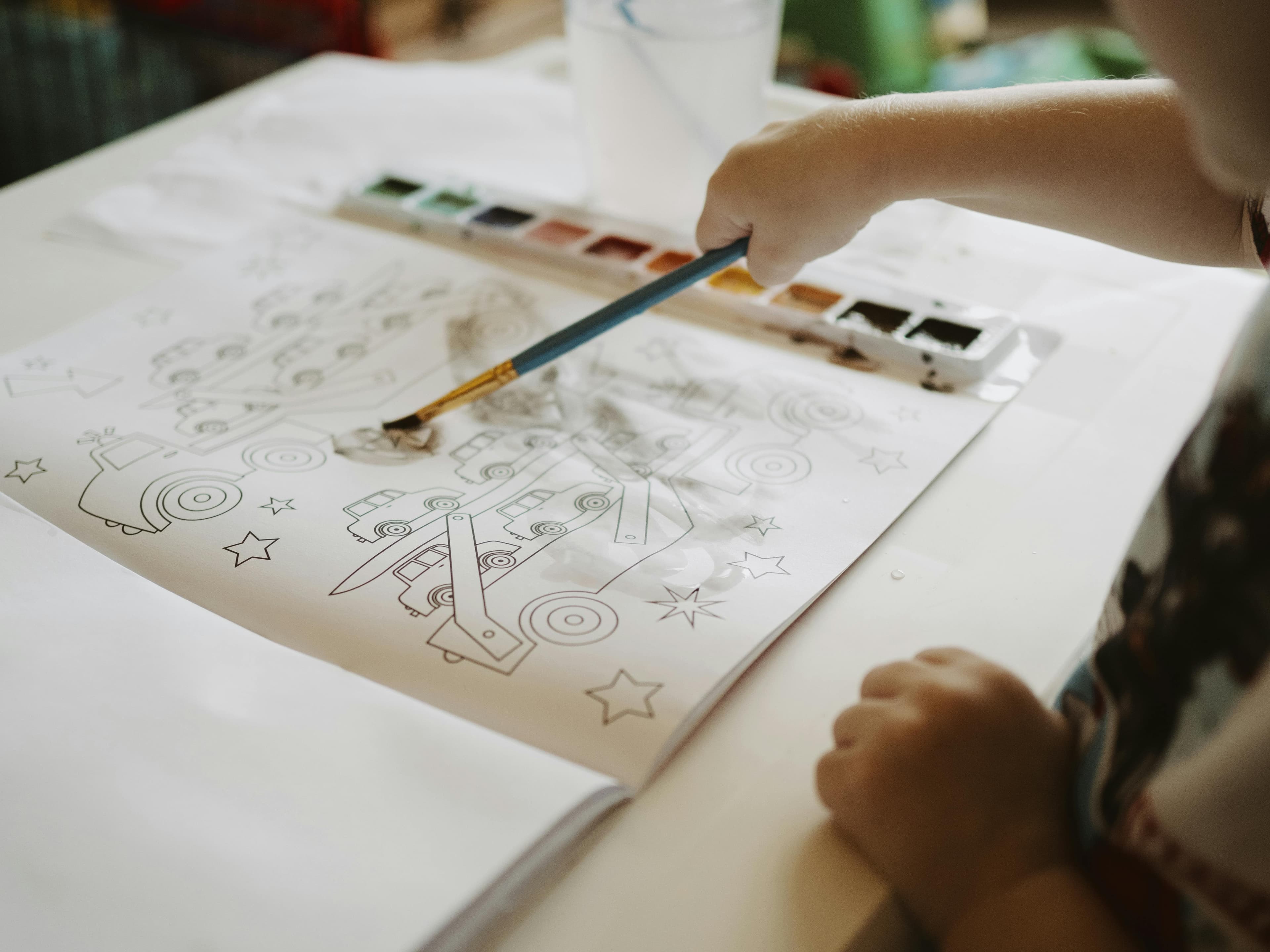
Water painting books
Bookstore / toy aisle
Brush-and-water only — color appears on contact, no liquid paint to spill.
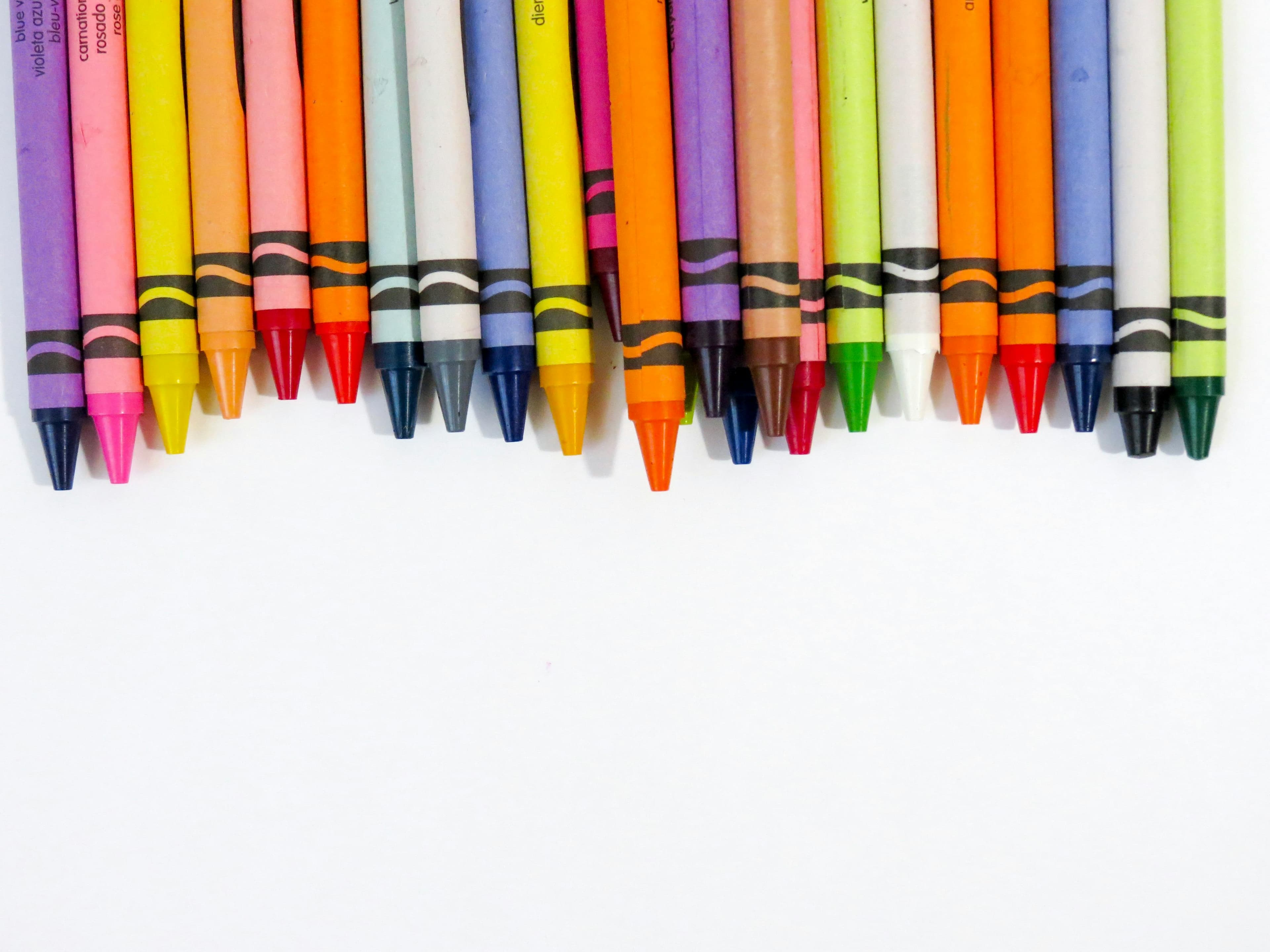
Beeswax crayons
Craft / natural toy shop
Stockmar-style block or stick — harder than wax, less snap, easy grip.
.jpg&w=3840&q=75)
Washable markers (wide tip)
School supplies
Crayola Ultra-Clean or equivalent — caps stay on the tray when not in use.
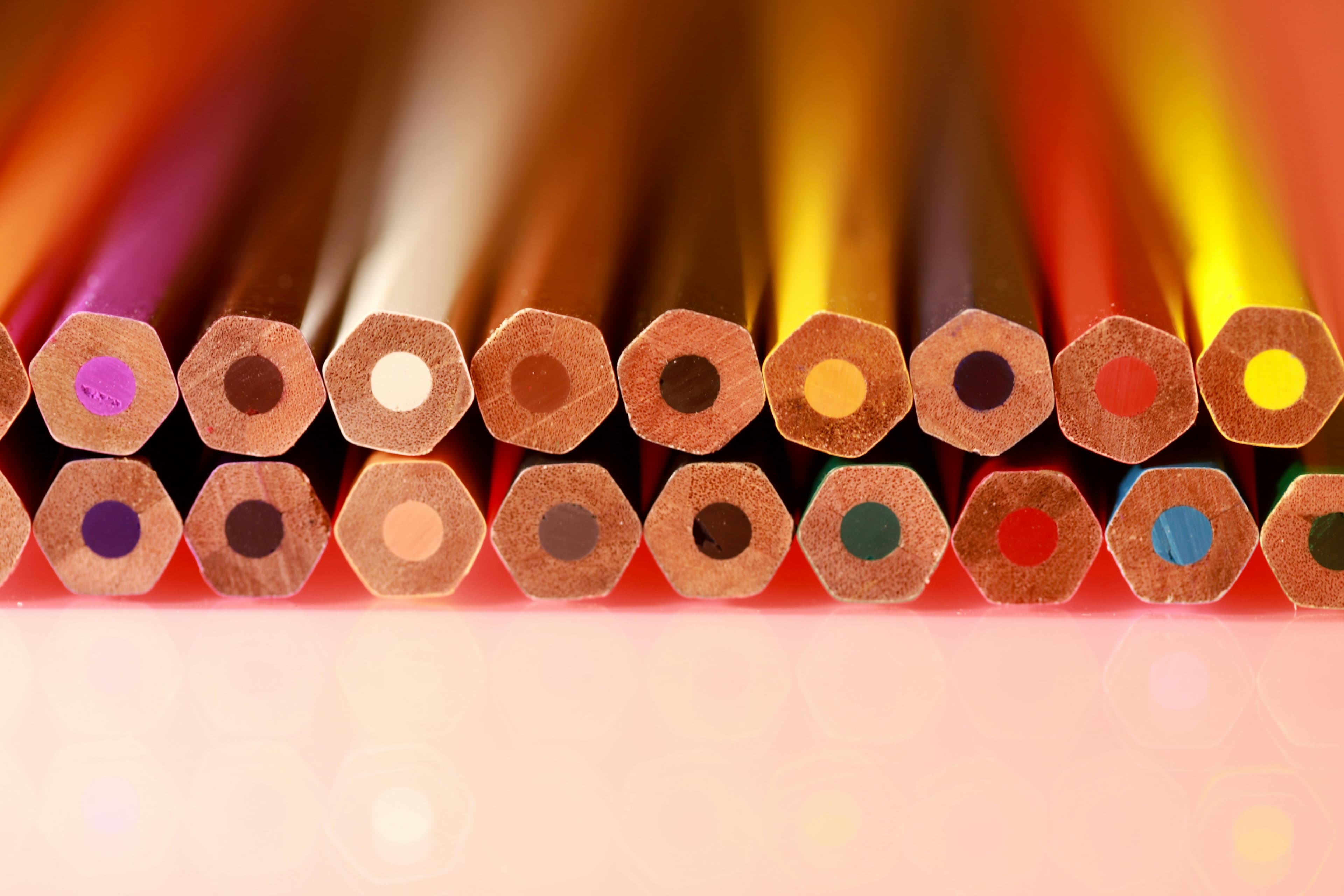
Oil pastels (jumbo)
Craft aisle
Thick sticks only — skip skinny classroom pastels until pincer grip is solid.
Black construction paper
Craft aisle
Cut to tray size — oil pastels pop on dark; swap fresh sheet per session.
Setup — about 10 minutes
- Hook and smock (2 min). Kid-height hook beside the station. Smock goes on before anything else comes out.
- Tray down (1 min). Rimmed tray on a placemat in the same corner every time.
- One material out (2 min). Week one: crayons only. Markers stay in the cup until play two.
- Paper cut to tray (2 min). Pre-cut sheets — no hunting for paper mid-meltdown.
Label the corner if you share space — Art station beats a drawer they can’t reach. Weekly: check marker caps, swap paper stack, wipe the tray with a damp cloth.
Three first plays
Not thirty Pinterest ideas — three. Free marks first; feelings when words aren’t landing; draw alongside when they want you in the chair.
1. Free mark-making →
One material on the tray — crayons, markers, or pastels. No picture to finish. No lines to stay inside.
Reach for this when: they want to "draw" but every craft kit ends in frustration or a mess you can't wipe up.
2. Draw what you feel →
You name one feeling — mad, happy, wiggly. They pick a color and make marks that match. No face required.
Reach for this when: they're post-meltdown or wound up and words aren't landing yet.
3. Parent draws alongside →
Two sheets on the tray, two sets of hands — you draw your own thing, they draw theirs. No correcting. No teaching.
Reach for this when: they keep climbing into your lap during dinner prep and you have ten minutes to sit.